

Save Maju Forest
Save Maju Forest. Clementi’s 23-hectare secondary woodland holds 286 plants, 113 animals, a rare stream, pangolins and critically endangered straw-headed bulbuls. Linked to the Rail Corridor, it stores carbon. Parks cannot replace it. Homes can be rebuilt; this forest cannot. Build on brownfield. From Pritam Singh of Mountain Adventure Travels Singapore.
Krabi, Thailand, with Mountain Adventure Travels
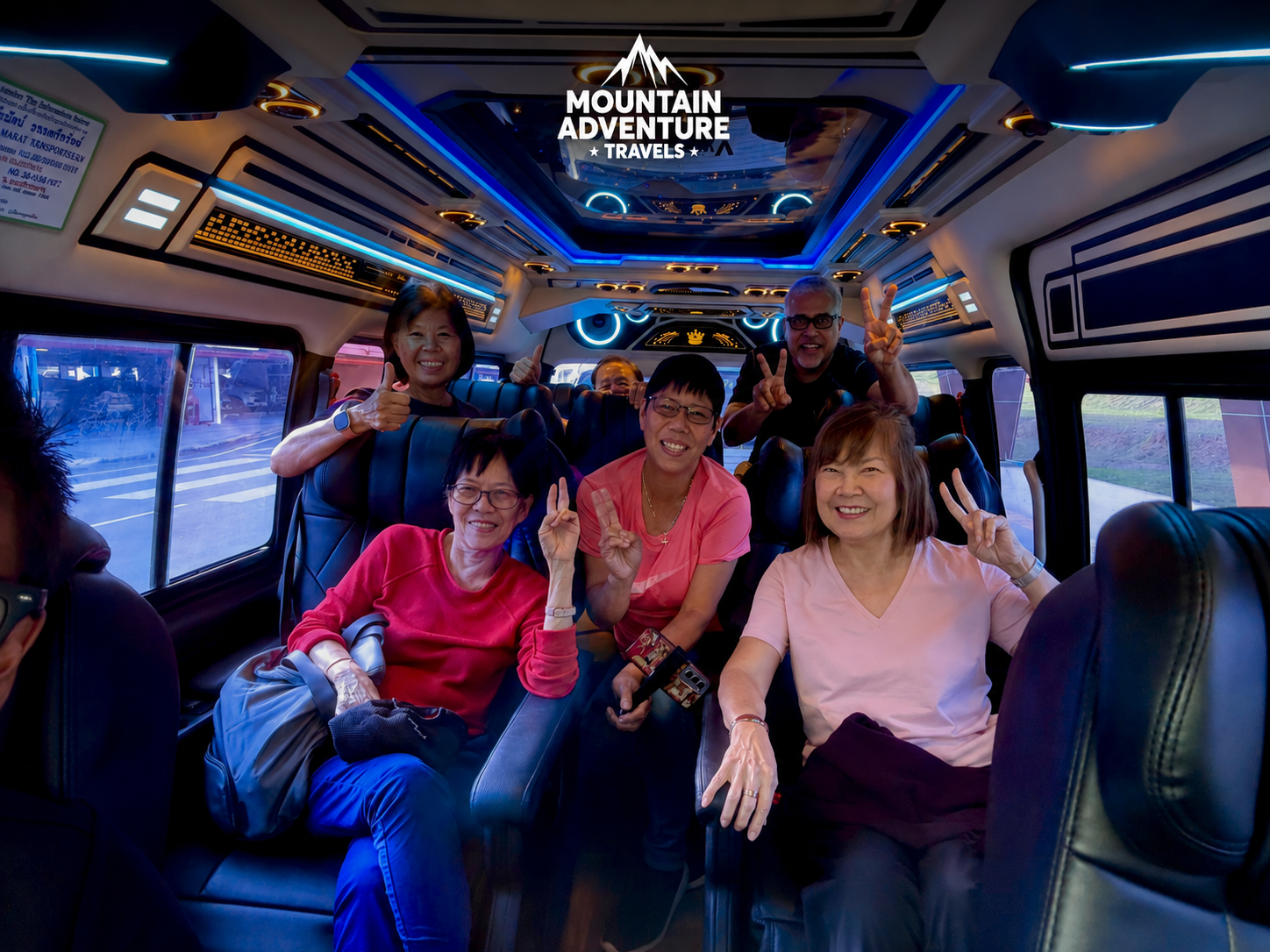
When our group from Singapore boarded the plane, the limestone skyline of Krabi Thailand, was already calling. Mountain Adventure Travels had crafted a six-day journey that mixed islands, forest, temples, Thai food, and quiet rest without rushing a single moment.*
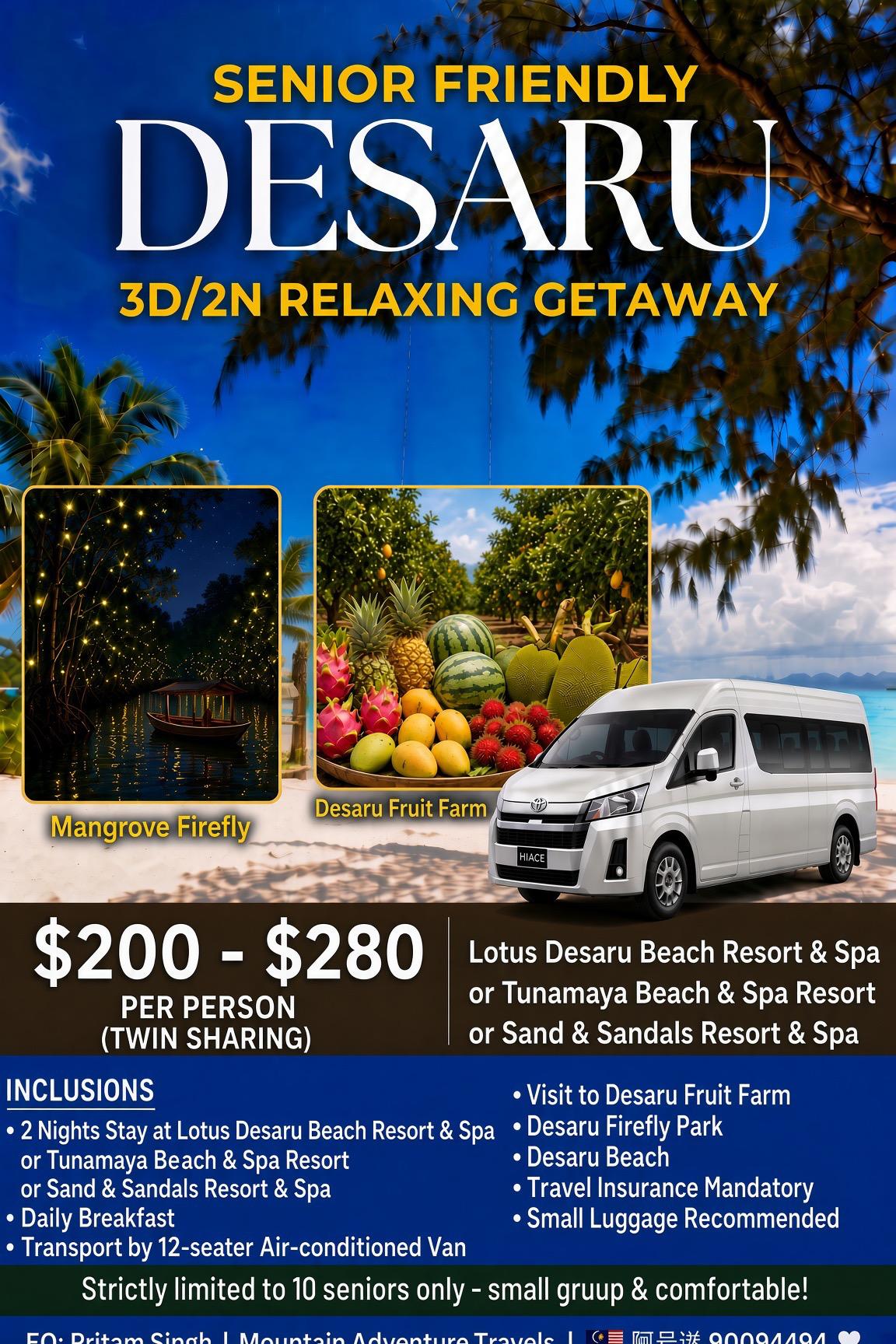
Escape to Desaru: Fruit Farms, Fireflies & Beach Bliss with Mountain Adventure Travels
Just a scenic 1.5 hour drive from Singapore (about 96 km via Woodlands Checkpoint), Desaru offers the perfect weekend getaway. With Mountain Adventure Travels, your journey becomes effortless and memorable.
Desaru Getaway with 17-Year-Olds on Mountain Adventure Travels
What stood out most was the excellent service. Mr Singh was incredibly friendly, flexible, and accommodating throughout the trip. He was always happy to adjust the plans and take us to the places we wanted to visit or eat at. This made the whole experience feel personalised rather than rushed. He’s a certified tour guide as well, and his planning is excellent and very well structured.
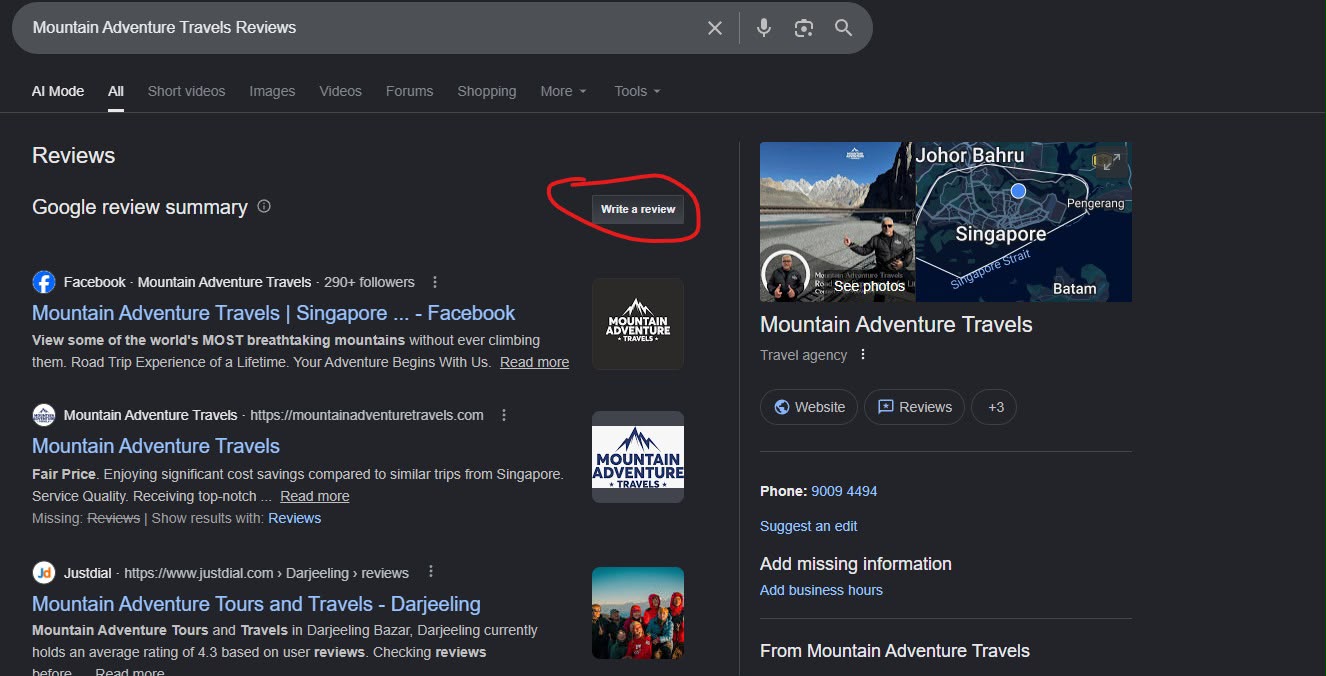
Google Review Mountain Adventure Travels
What is a Google Review? A Google Review is a public star rating (1–5 stars) + optional written comment, photos, or videos that a customer leaves on a business’s Google Business Profile (the free listing that appears in Google Search and Google Maps). What Travelers Are Saying Google Reviews of Mountain Adventure Travels.
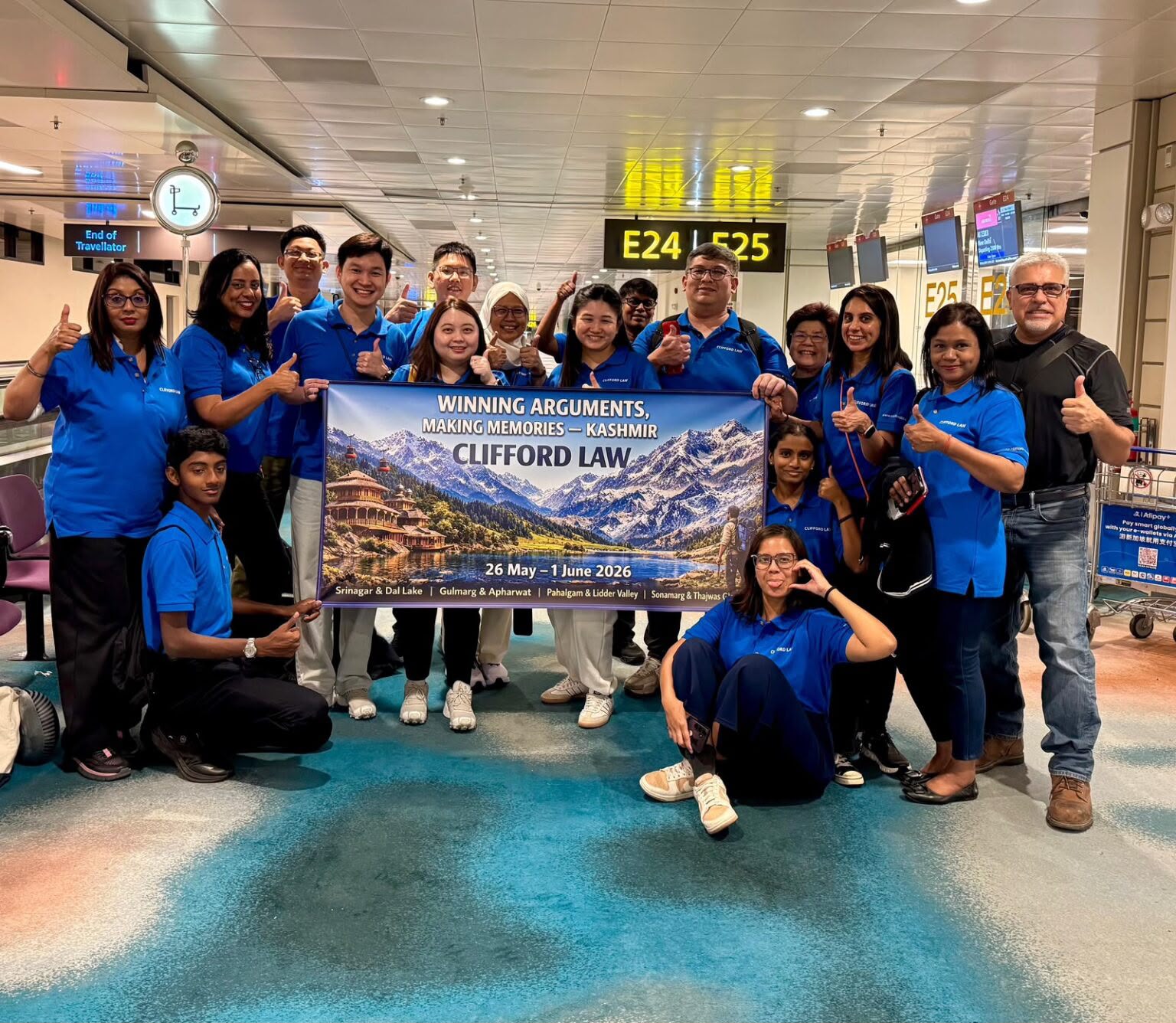
Clifford Law LLC 21st Anniversary Kashmir Trip
Kashmir was absolutely breathtaking, with snow-capped mountains, winding rivers, and crystal-clear lakes that felt almost unreal. Coming from Singapore’s bustling city skyline, the wide-open landscapes offered a truly refreshing escape. Travelling as a group with Clifford Law created wonderful opportunities for team bonding and getting to know one another beyond the workplace.
Mountain Adventure Travels Singapore Indemnity Form – Personal Responsibility and Safety Are Priorities
The Participant will take part in a group travel programme organised by the Organiser, which may include transport, outdoor activities, and excursions (collectively referred to as the “Activities”). The Participant understands that the Activities involve inherent risks, including travel accidents, falls, illness or injury, weather conditions and terrain, equipment failure, and actions of other participants or third parties, and the Participant accepts these inherent risks as part of participating in the Activities.
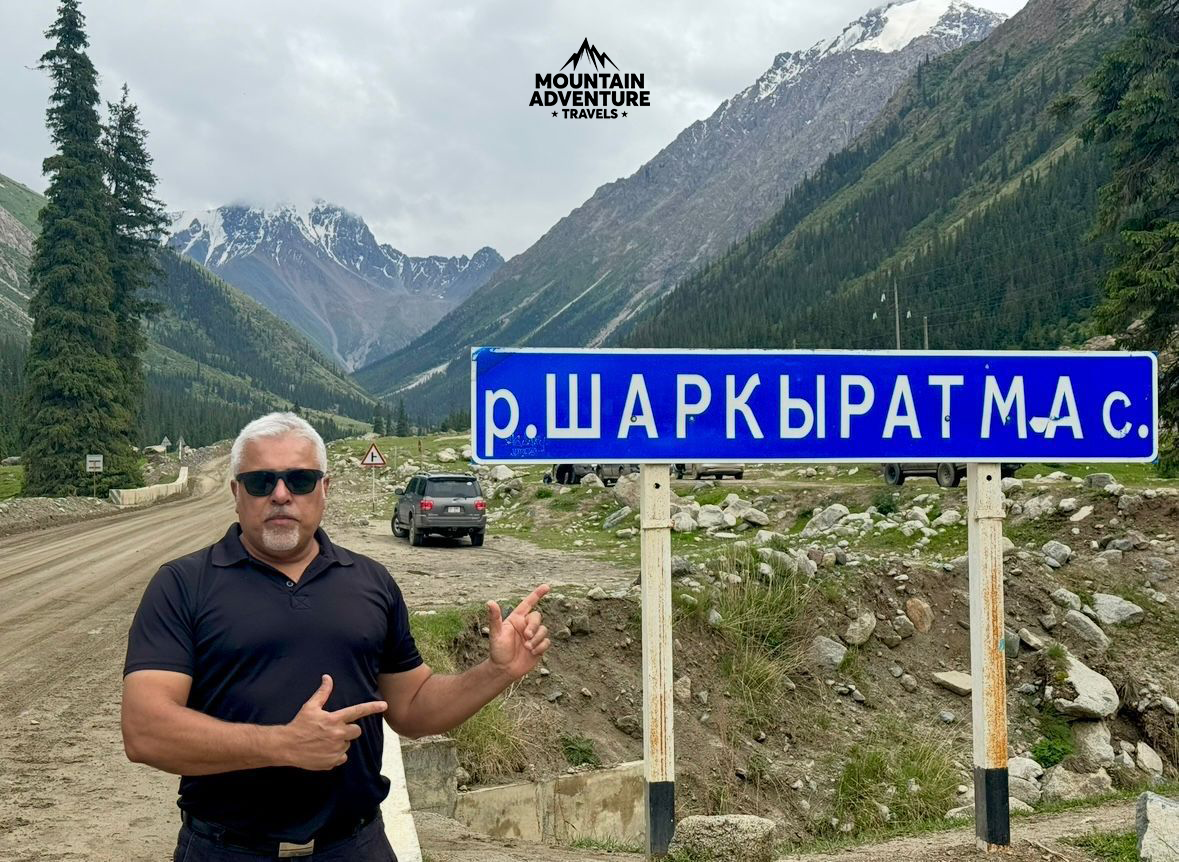
50 QUOTES ABOUT MOUNTAINS, ADVENTURE AND TRAVEL
This collection of 50 inspiring quotes celebrates mountains, adventure, and travel, encouraging courage, perseverance, self-discovery, and a deep appreciation for nature. Featuring timeless words from John Muir, Sir Edmund Hillary, T.S. Eliot, and others, it inspires readers to embrace challenges, explore the world, and create unforgettable memories through every journey.
Mountain Altitude Sickness
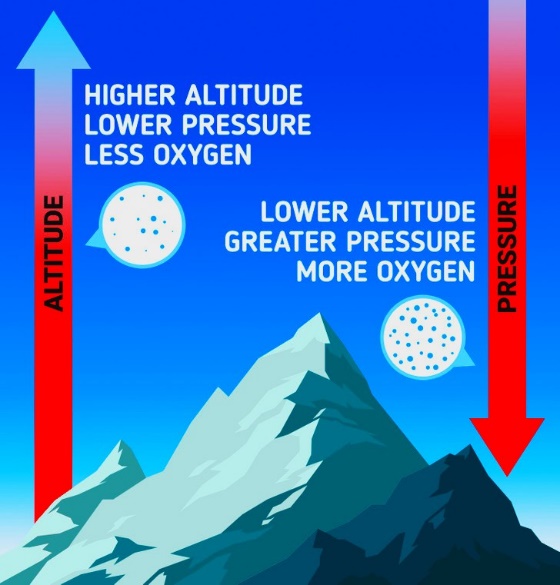
What is Mountain Altitude Sickness? Mountain altitude sickness, also known as mountain sickness, is a condition that can occur when INDIVIDUALS ASCEND TO HIGH ALTITUDES TOO QUICKLY. MOUNTAIN SICKNESS DOESN’T AFFECT EVERYONE, but the likelihood of experiencing acute mountain sickness rises at higher altitudes. It is caused by the reduced oxygen levels at higher elevations, leading to symptoms such as headache, dizziness, nausea, fatigue, and difficulty sleeping. There are three main types of mountain altitude sickness: acute mountain sickness (AMS), high-altitude pulmonary edema (HAPE), and high-altitude cerebral edema (HACE). AMS is the mildest form and is the most common, while HAPE and HACE are more severe and can be life-threatening.If symptoms of mountain altitude sickness develop, it is important to descend to a lower altitude and seek medical attention if the symptoms are severe. How do I deal with Mountain Altitude Sickness/Altitude Sickness? The BEST WAY TO PREVENT ALTITUDE SICKNESS IS THROUGH ACCLIMATIZATION, allowing the body to