LETTER OF CONSENT | MOUNTAIN ADVENTURE TRAVELS
I, ______________________, hereby acknowledge and consent to participate in an organized travel tour and road trip organized by Mountain Adventure Travels.1. Acknowledgment of RisksI am aware that these activities carry inherent risks that may result in serious injury, death, and loss or damage to personal property. These risks include, but are not limited to, accidents, falls, the effects of weather, equipment failure, and the potential for encountering wildlife. 2. Assumption of ResponsibilityI voluntarily assume all risks, both known and unknown, associated with these activities, even if arising from the negligence of the organizers or others, and assume full responsibility for my participation. 3. Financial ResponsibilityI understand that I am responsible for any costs arising from injury, loss, or damage that I may sustain during the trip, including but not limited to medical expenses, rescue costs, and personal property replacement. 4. Release and Waiver of ClaimsI hereby release, waive, discharge, and covenant not to
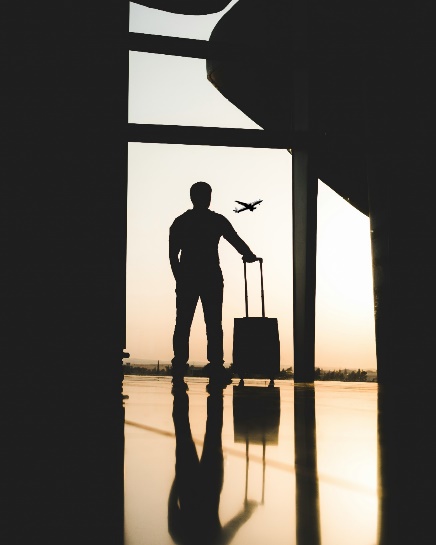
Pack List for Luxury Mountain Adventure Travels
So, what should you pack on your trip?AS LITTLE AS POSSIBLE. And Only The Most Essential Things.• Packing light is a cliché, yet one that has a lot of truth to it. THE MORE I TRAVEL, THE MORE I REALIZE I DON’T NEED A LOT OF STUFF. Everything I need now fits into one or two luggage. • ALWAYS USE A TRAVEL LUGGAGE WITH WHEELS as this will minimise weight to be carried and you can travel with ease. • LUXURY HOTELS PROVIDE CLEAN TOWELS AND HOTEL TOILETRIES THAT YOU CAN USE. If you are short of any item or need something generic that you forgot, there are shops or pharmacies you can purchase these from at any major airports, cities or towns. • PACK LESS, USE THE HOTEL LAUNDRY OR WASH SMALL, LIGHT CLOTHING ITEMS THE NIGHT BEFORE, and these things should be dry the next day or so. • ORGANIZE YOUR THINGS
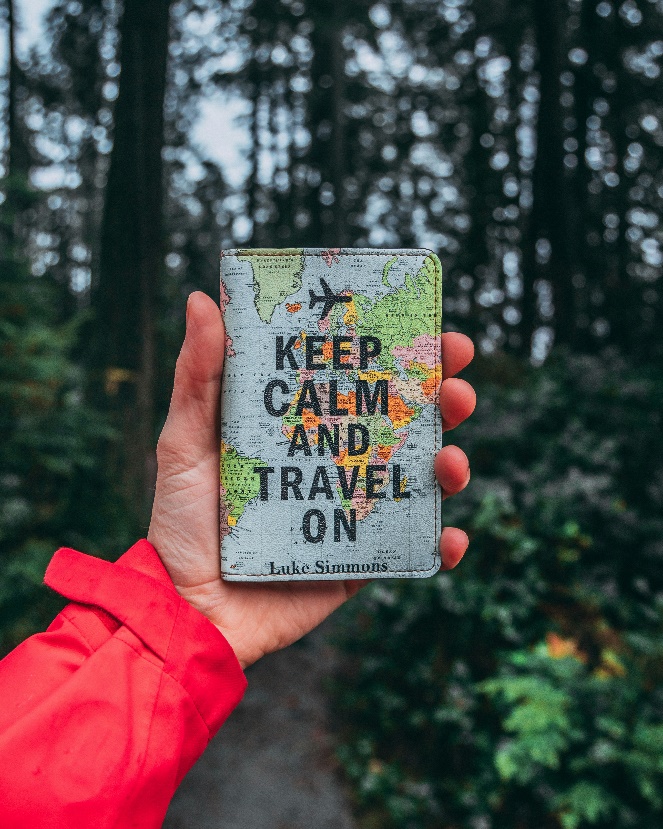
Visas, Airlines, Joining Us From Other Countries
WHAT ARE THE VISA REQUIREMENTS?Visa requirements are determined by the individual embassies of the respective countries, and Mountain Adventure Travels does not have influence over the visa application process or final approval.Mountain Adventure Travels will provide assistance with the visa application process upon CONFIRMATION OF YOUR TRIP and payment of the $1000 deposit.Documents Needed For Online Application; 1. PDF of passport front details page with more than 6 months validity 2. PDF of passport size photo | some countries will not accept photos with spectacles/glasses 3. Letter of Invitation provided by Mountain Adventure Travels 4. Hotel bookings provided by Mountain Adventure Travels 5. Local contact number provided by Mountain Adventure Travels 6. Payment of visa fees which is inclusive of your tour costs.WE ARE HERE TO HELP YOU. Mountain Adventure Travels is an authorized agent for online visa applications. We can apply these visas on your behalf. These visa applications are very complex requiring uploads of
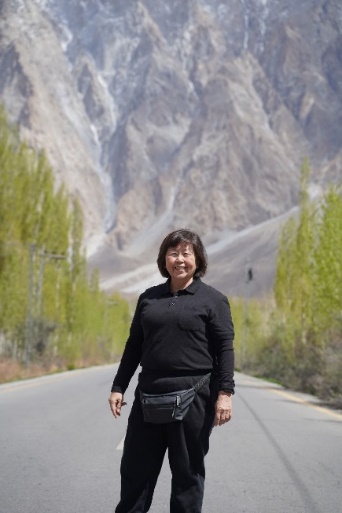
I Feel Like Staying In The Beautiful Mountains Forever
Rebecca Goh shares her inspiring Hunza Valley journey with Mountain Adventure Travels, describing breathtaking mountains, peaceful surroundings, warm hospitality, and unforgettable scenery. Despite initial concerns, she found Pakistan safe and welcoming. Luxury accommodations, delicious food, Naltar Valley, and meaningful friendships made the trip a life-changing experience she wholeheartedly recommends to others.
What Is Peak Season Travel?
Peak season travel refers to the TIME OF YEAR WHEN A DESTINATION EXPERIENCES THE HIGHEST NUMBER OF VISITORS, often coinciding with the best weather conditions and school holidays for that location. During peak season, travel and accommodation prices are typically at their highest, and popular tourist spots can be crowded. Factors Influencing Peak Season• Weather: Many destinations have their peak season during the warmest or most pleasant weather periods, such as summer in the northern hemisphere (June–August) and in the southern hemisphere (November–February). • Holidays and Events: Holidays and local festivals can create peak travel times in many parts of the world. • School Breaks: School holidays often coincide with peak travel times, as families take advantage of the break to travel. Impact of Peak Season on Travel• Cost: Airfare and accommodation prices can be significantly higher due to increased demand. • Availability: Flights and hotels may book up quickly, and tourist attractions can be congested. •
FAQ – Group Size and Types of Tours
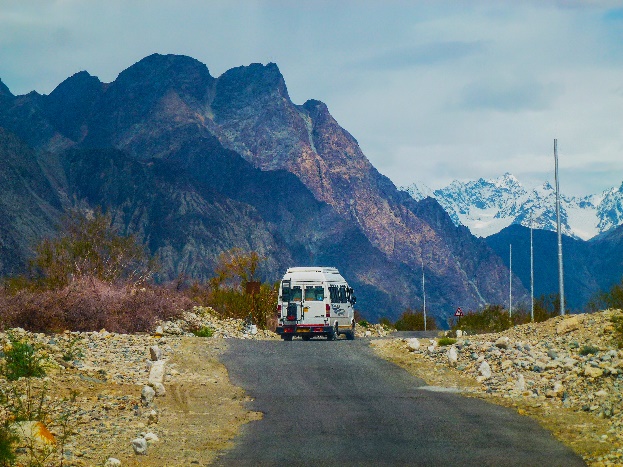
Group Size and Types of Tours What Is The MINIMUM Group Size? The answer is ONE. This is for solo travellers.A SOLO TRAVELLER, ALSO KNOWN AS A SINGLE TRAVELLER, IS AN INDIVIDUAL WHO JOURNEYS ALONE, without companions. A single supplement is an additional fee charged to solo travellers who occupy a room alone. Interestingly, there is a growing demand for more solo-friendly travel options. What Is The MAXIMUM Group Size? The MAXIMUM GROUP SIZE is 18 persons.Mountain Adventure Travels typically accommodate small to medium-sized groups, ensuring a personalized experience and easy group interaction. https://www.youtube.com/watch?v=onZa572-un0 TYPES OF TOURS 1. Couple Honeymoon Tours HONEYMOON TOURS are designed for newlyweds to celebrate their new chapter of love and create unforgettable memories at romantic destinations worldwide.These tours offer the opportunity to enjoy splendid solitude in the mountains, immerse in vibrant cultures, or experience the romance of beautiful gardens.Whether on a personalized tour or joining a group, honeymoon tours promise an extraordinary journey
FAQ – Land Transport in the Mountains
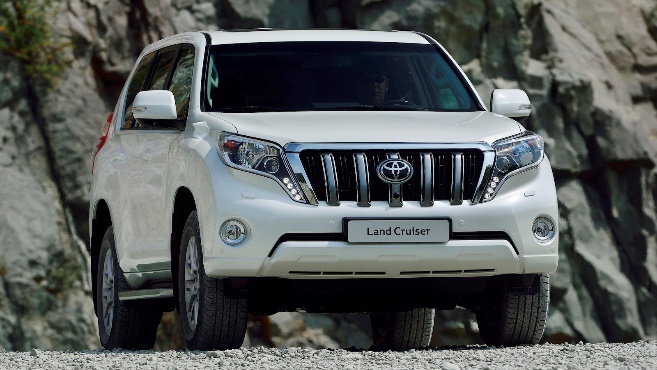
What Type Of Transportation Will Be Used For The Road Trips? There are TWO OPTIONS available: 1. SMALL GROUP TOURS• Solo Traveller• Group of 3• Group of 7Transportation: 4X4 Prado Land Cruiser, Toyota Innova 4X4 or Mahindra/Toyota Innova SUV with driver and English-speaking guide 2. LARGE GROUP TOURS• Group of 10• Transportation: 12 seater Toyota Hiace High Roof Van with driver and English-speaking guide • Group of 18• Transportation: 23 seater Toyota Hino Bus with driver and English-speaking guide https://www.youtube.com/watch?v=TKW4JBW-pfw ALL DRIVERS are highly skilled, experienced, and hold valid licenses, with extensive experience navigating mountain roads in various weather and road conditions. SEAT ROTATIONTo ensure the comfort of all tour group members, you may be asked to rotate your seating arrangements on the coach or other land transport throughout the trip. https://www.youtube.com/watch?v=U5f4smJcTZM PACKING FOR ROAD TRIP TRAVEL When packing for a road trip with a limited space constraint in an SUV, land-cruiser, jeep or van, consider using backpacks or small

FAQ – Insurance
Is Travel Insurance Mandatory? Is It Compulsory? The answer is YES. All travellers with Mountain Adventure Travels ARE REQUIRED TO HAVE COMPREHENSIVE TRAVEL INSURANCE. Proof of insurance purchase must be provided before traveling. Please email or WhatsApp an image of your insurance plan to +65 90094494 for verification purposes. How and Where Can I Purchase Travel Insurance? • You have the Option To Buy Travel Insurance Independently. • Alternatively, YOU MAY REACH OUT to Goh Bee Kim for assistance. You need to provide your full name, age, date of birth, country travelling, dates of travel, passport number, NRIC number, telephone number and email address to the insurance agent. Goh Bee Kim’s contact information is as follows:Cell: +65 8228 4727Email: goh.beekim@finexis.com.sgBuy AIG Travel Insurance Goh Bee Kim Why Is Insurance Necessary For Travels? Travel insurance is essential for several reasons, providing financial protection and peace of mind during your travels. Here are the KEY REASONS WHY TRAVEL INSURANCE IS NECESSARY: • Financial Protection
FAQ – Accommodation
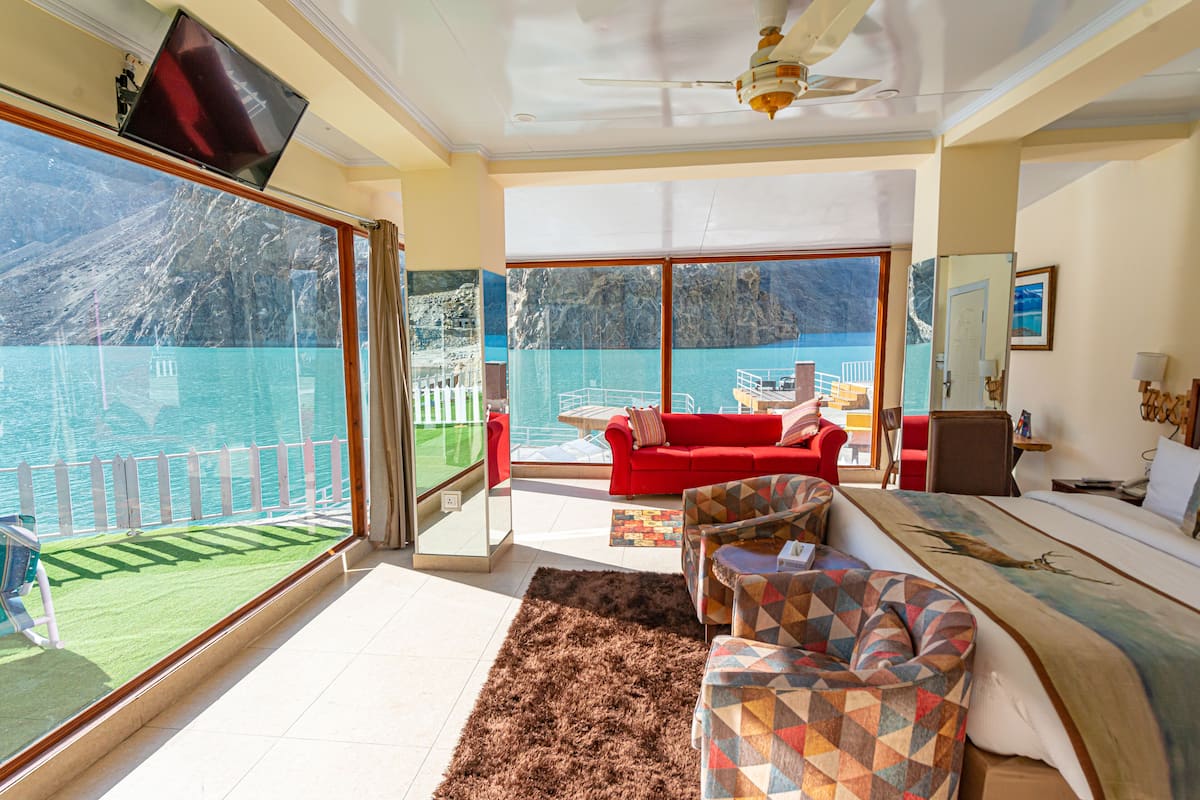
Can You Provide Details About The Accommodations? Mountain Adventure Travels PROVIDES AN ARRAY OF UPSCALE LODGING OPTIONS, each featuring key amenities and situated in prime locations within the destination’s city or town. These accommodations include boutique hotels known for their personalized service and unique character. It’s important to note that the luxury hotels in major cities like Singapore, Dubai or London OFFER A DIFFERENT EXPERIENCE compared to the luxury hotels in destinations such as Islamabad, Kathmandu, Srinagar, Leh. Please kindly note, in very remote and high mountain locations like Chilas in Pakistan, Kargil in India, or Jomsom in Nepal, we book the very best hotel in town, amidst the very limited options available. (see notes below). While you may need to adjust your expectations, YOU’LL BE PLEASANTLY SURPRISED BY THE UNIQUE AND EXCELLENT QUALITIES OF THESE LUXURY REMOTE ACCOMMODATIONS. One thing that remains consistent is the outstanding and breathtaking views from the hotel rooms. https://www.youtube.com/watch?v=lQjdapTkKmw Characteristics of
A Most Satisfied Client
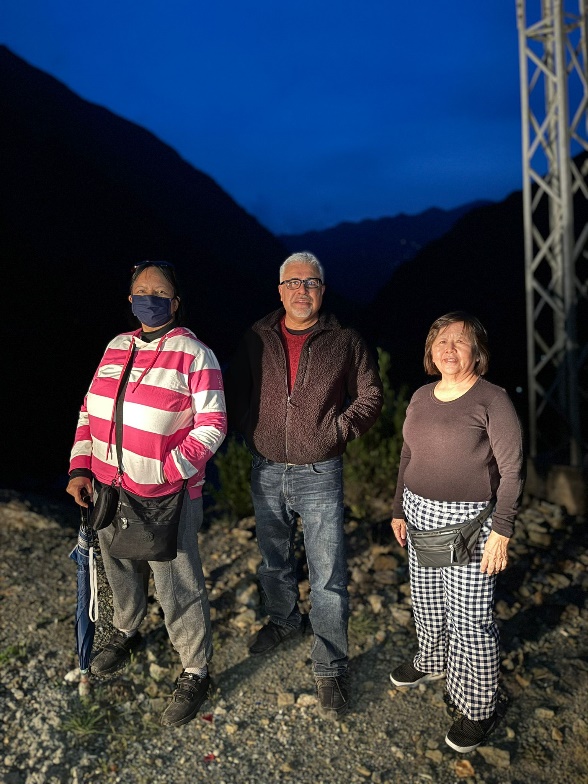
A Singaporean traveler shares her unforgettable Hunza Valley journey with Mountain Adventure Travels, praising breathtaking mountains, luxury accommodations, warm Pakistani hospitality, delicious cuisine, and exceptional safety. Highlights included the Karakoram Highway, Khunjerab Pass snowfall, Naltar Valley, and wildlife, making it one of her most rewarding travel experiences and highly recommended.