


Events
ISRAEL JORDAN TOUR
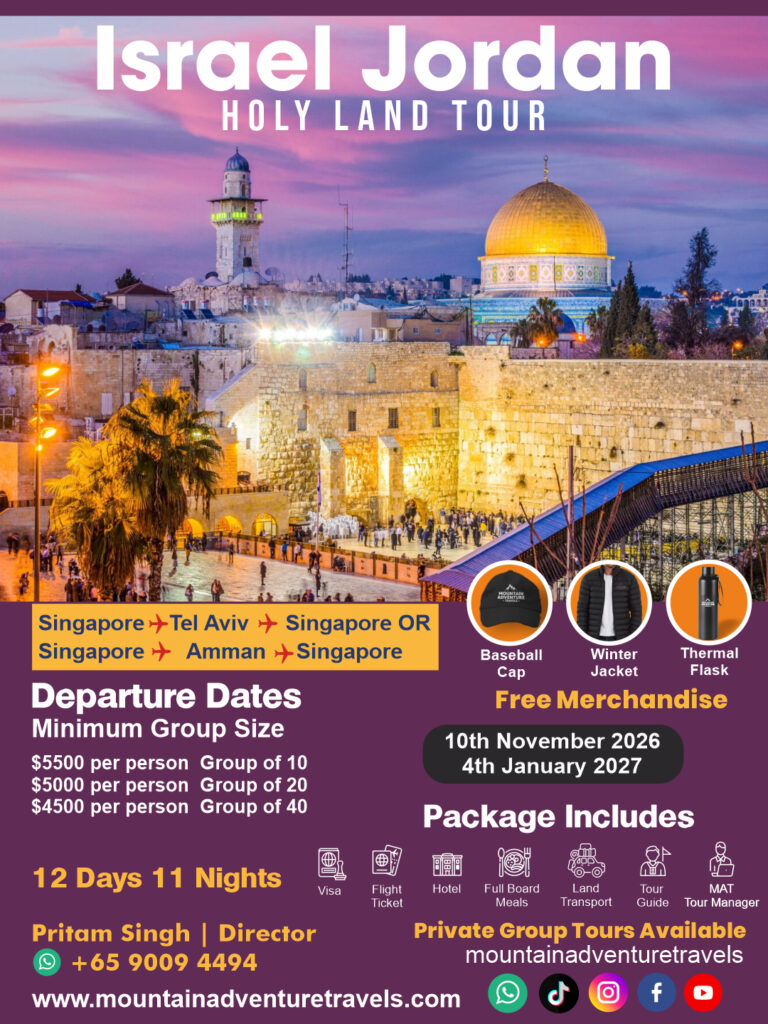
An Israel–Jordan Holy Land tour is a journey through history, faith, and breathtaking landscapes. Travelers walk in the footsteps of prophets, exploring Jerusalem’s sacred Old City, Bethlehem’s Nativity Church, and the Galilee where Jesus preached. Crossing into Jordan, the biblical heritage continues at Mount Nebo, where Moses gazed upon the Promised Land. The ancient rose-red city of Petra inspires awe with its carved cliffs. Majestic mountains such as the Mount of Olives in Jerusalem and Mount Carmel overlooking the sea bring biblical stories vividly to life. This pilgrimage blends spiritual discovery with the natural beauty of timeless landscapes.
12 Days/ 11 Nights
- Full Board International Flight, Land Travel, Hotels, Buffet Breakfast/ Dinners, Visas, Entry Fees
Small Group Tours
- Solo Traveler Premium Tour: $7000 per person in 4 star hotel
- Single Supplement Room + $1000
- Group of 3 Premium Tour: $6500 per person twin share in 4 star hotel
- Transportation: SUV with driver and English-speaking guide
Large Group Tours
- $5500 nett per person for group of 10
- $5000 nett per person for group of 20
- $4700 nett per person for group of 30
- $4500 nett per person for group of 40
PREMIUM TOURS:
- Twin share in 4 star hotel
- Single Supplement Room + $1000
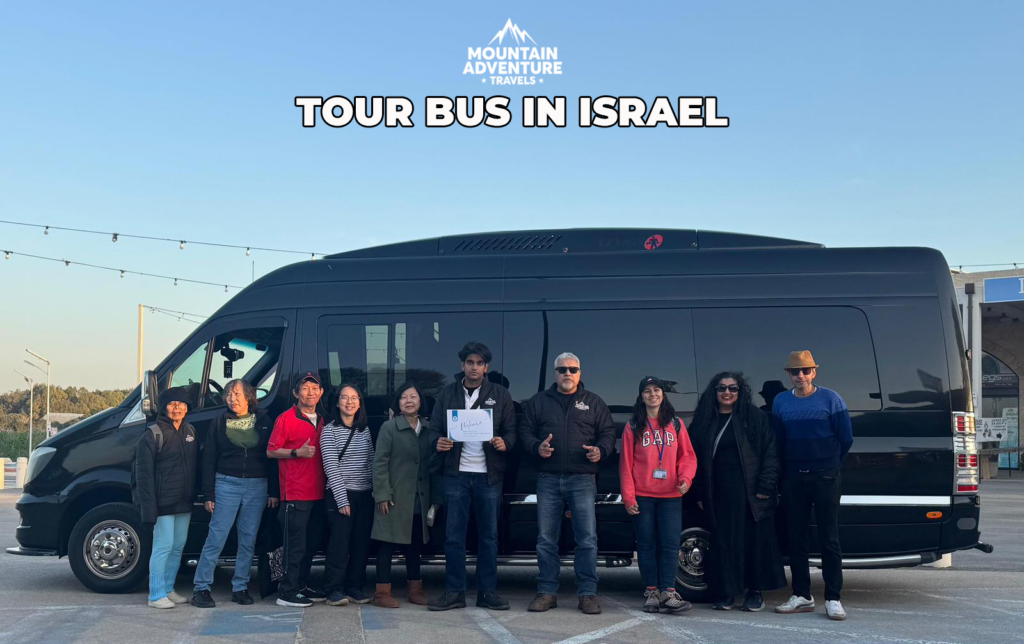
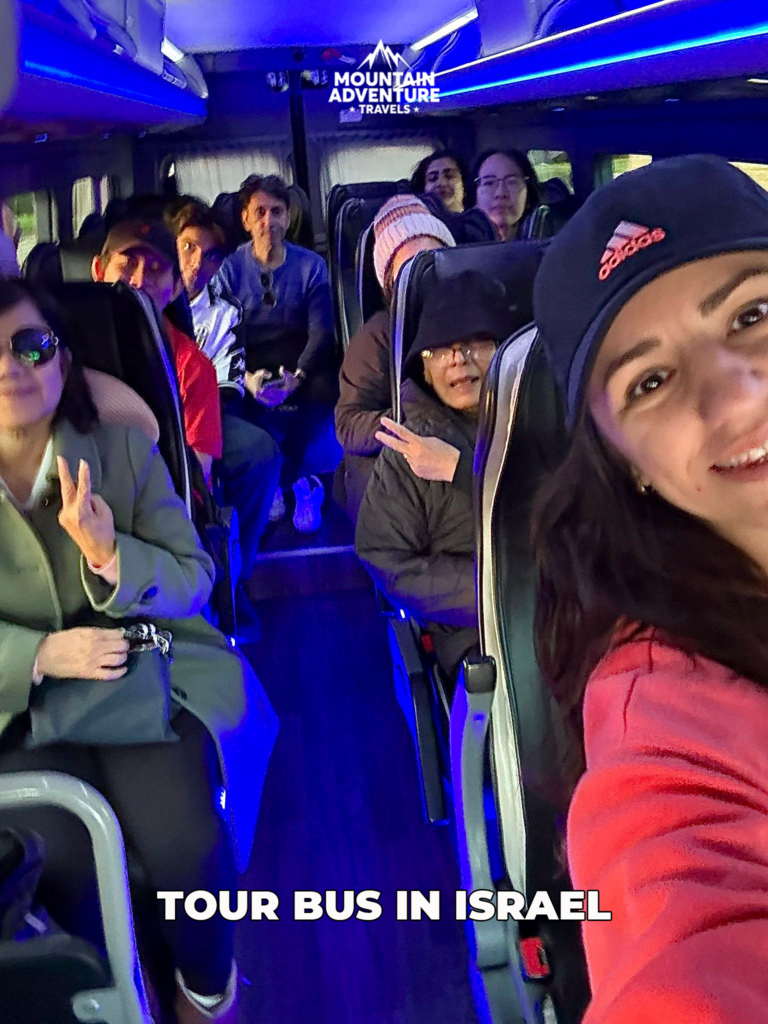
- Minimum Group of 6: Transportation 12-seater Toyota Hiace High Roof Van with driver and English-speaking guide
- Minimum Group of 12: Transportation 20-seater Toyota Hino Bus with driver and English-speaking guide
- Group of 40: Transportation 45-seater Bus with driver and English-speaking guide
Service Inclusions
- Round-trip flight from Singapore to Israel via Etihad, Emirates, Gulf Air, Royal Jordanian or similar
- Visa Application and Fees for Israel
- Transportation via SUV/ 12 seater Toyota Hiace Van, 20 seater Toyota Hino Bus or 40 seater Bus
- Services of an English-speaking tour guide licensed by the Israeli Ministry of Tourism accompanying the driver
- Accommodation for 10 nights in twin-share rooms
- Meals: Buffet Breakfast and Dinner, Lunch On Your Own
- Welcome and send-off by a MAT Singapore and Israel representative
- Provision of daily water bottles
- Entry tickets to tourist attractions
- Pilgrim Kit: Jerusalem pilgrim hat and certificate from the Israeli Ministry of Tourism
Service Exclusions
- Personal travel insurance (mandatory with proof)
- Driver and tour guide tips ($15 Singapore dollars per person per day)
- Israel border departure tax at $78 USD per person
- Jordanian visa at 60 dinars/ $110 Singapore dollars/ $85 USD per person
- Departure tax for the Sheikh Hussein border crossing is $15 USD per person
Excess baggage charges - Medication, health-related problems, evacuation, and rescue in emergencies
Laundry, beverages, phone calls, or other personal expenses - Extra expenses due to lost or delayed luggage, theft or loss of personal belongings or documents, acts of nature, natural disasters, weather conditions or unforeseen events, etc.
- Anything not mentioned above.
ISRAEL JORDAN Tour Itinerary Flight by Emirates/ Gulf Air
Day 1 SINGAPORE
Flight by Emirates to Tel Aviv, Israel
DAY 2 ISRAEL
Tel Aviv, Jaffa
DAY 3 ISRAEL
Caesarea, Haifa, Mount Hermon
DAY 4 ISRAEL
Nazareth Village, Mount of Precipice, Cana of Galilee, Jordan River
DAY 5 ISRAEL
Banias, Capernaum, Mount of Beatitudes, Boat on the Sea of Galilee
DAY 6 ISRAEL
Jericho, Shiloh, Dead Sea, Jerusalem
DAY 7 ISRAEL
Mount of Olives, Gethsemane, Temple Mount, Western Wall, Via Dolorosa
DAY 8 ISRAEL
Garden Tomb, Last Supper Room, Upper Room, Tomb of King David, Tomb of the Patriarchs
DAY 9 ISRAEL
Israel Museum, Jerusalem, Bethlehem
DAY 10 JORDAN
Petra, Wadi Rum
DAY 11 JORDAN
Madaba, Mount Nebo. Flight from Amman to Singapore
DAY 12 SINGAPORE
Arrival in Singapore
- Itinerary subject to change
- Additional cost for flight from Singapore to Israel and departure from Jordan to Singapore.
JORDAN ISRAEL Tour Itinerary Flight by Gul Air
Day 1 SINGAPORE
Flight by Gulf Air to Amman, Jordan
DAY 2 JORDAN
Amman, Wadi Rum
DAY 3 JORDAN
Petra, Madaba, Mount Nebo
DAY 4 ISRAEL
Jaffa, Caesarea, Tel Aviv
DAY 5 ISRAEL
Nazareth Village, Mount of Precipice, Cana of Galilee, Jordan River
DAY 6 ISRAEL
Banias, Capernaum, Mount of Beatitudes, Boat on the Sea of Galilee
DAY 7 ISRAEL
Jericho, Shiloh, Dead Sea, Jerusalem
DAY 8 ISRAEL
Mount of Olives, Gethsemane, Temple Mount, Western Wall, Via Dolorosa
DAY 9 ISRAEL
Garden Tomb, Last Supper Room, Upper Room, Tomb of King David, Tomb of the Patriarchs or Mount Hermon
DAY 10 ISRAEL
Israel Museum, Jerusalem, Bethlehem
DAY 11 ISRAEL
Allenby Border to Jordan. Flight from Amman to Singapore
DAY 12 SINGAPORE
Arrival in Singapore
* Itinerary subject to change
* Price as advertised.
Amman
- Known in ancient times as Rabbath Ammon, the capital of the Ammonite kingdom mentioned in the Old Testament.
- Renamed Philadelphia under Greco-Roman rule, one of the Decapolis cities, it is the modern capital city of Jordan.
- The Citadel Hill (Jabal al-Qal’a) features a Roman temple of Hercules and Umayyad Palace ruins.
- Serves as a living link between biblical, Roman, and Islamic eras in Jordan’s history.
Banias (Caesarea Philippi)
- Dedicated to Pan, the Greek god of nature; source of the Jordan River begins here.
- Site of Peter’s confession of Jesus as the Messiah (Matthew 16:13–20).
- Showcases Herodian temples and Roman courtyards carved into stone cliffs.
- Reflects the evolution from pagan worship to early Christianity.
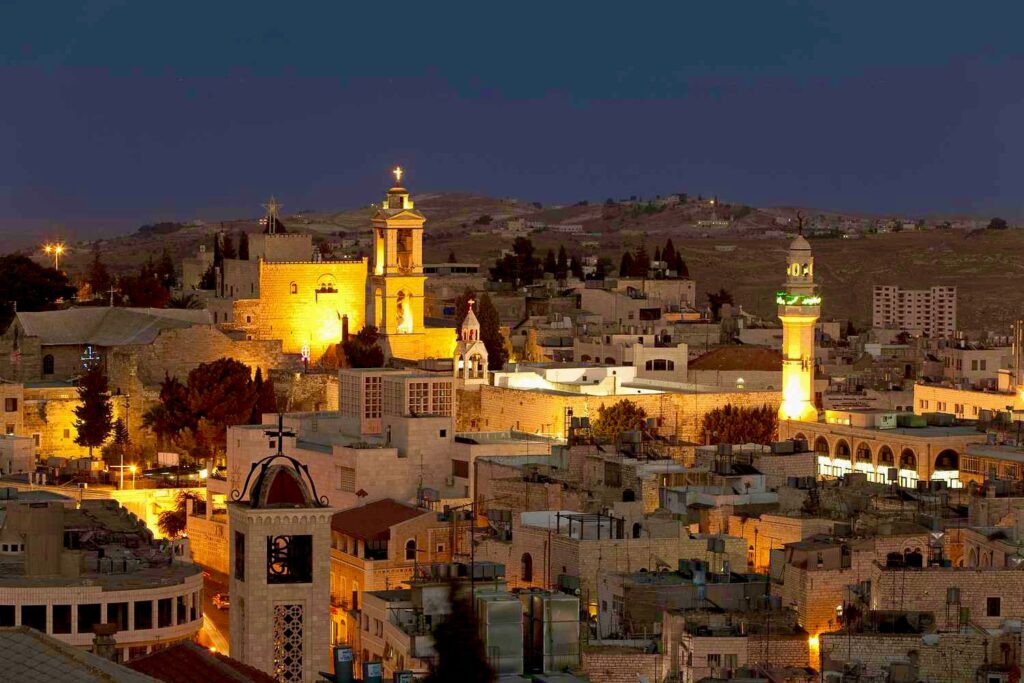
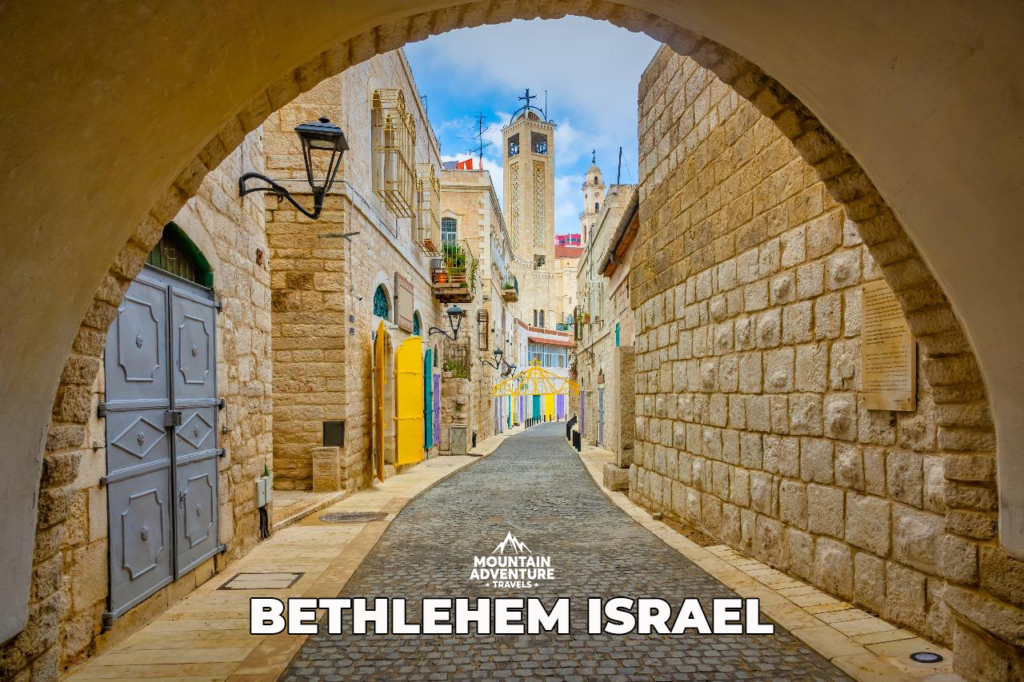
Bethlehem
- Birthplace of Jesus Christ, home to the Church of the Nativity, one of Christianity’s oldest churches.
- Archaeological layers reveal continuous habitation since the Bronze Age.
- The Grotto of the Nativity marks the site of Jesus’ birth.
- Famous for its traditional olive wood craftsmanship handed down through generations.
Cana of Galilee
- Site of Jesus’ first miracle, turning water into wine (John 2:1–11).
- Archaeological remains reveal first-century households and jars.
- The Franciscan Wedding Church commemorates this event.
- The village name “Kefar Kanna” preserves its biblical heritage.
Capernaum
- Described as “Jesus’ own city”, integral to His Galilean ministry.
- Features a 4th-century synagogue built over an earlier first-century one.
- The House of Peter later developed into a Byzantine pilgrimage site.
- A vital trading post along the Sea of Galilee’s north shore.
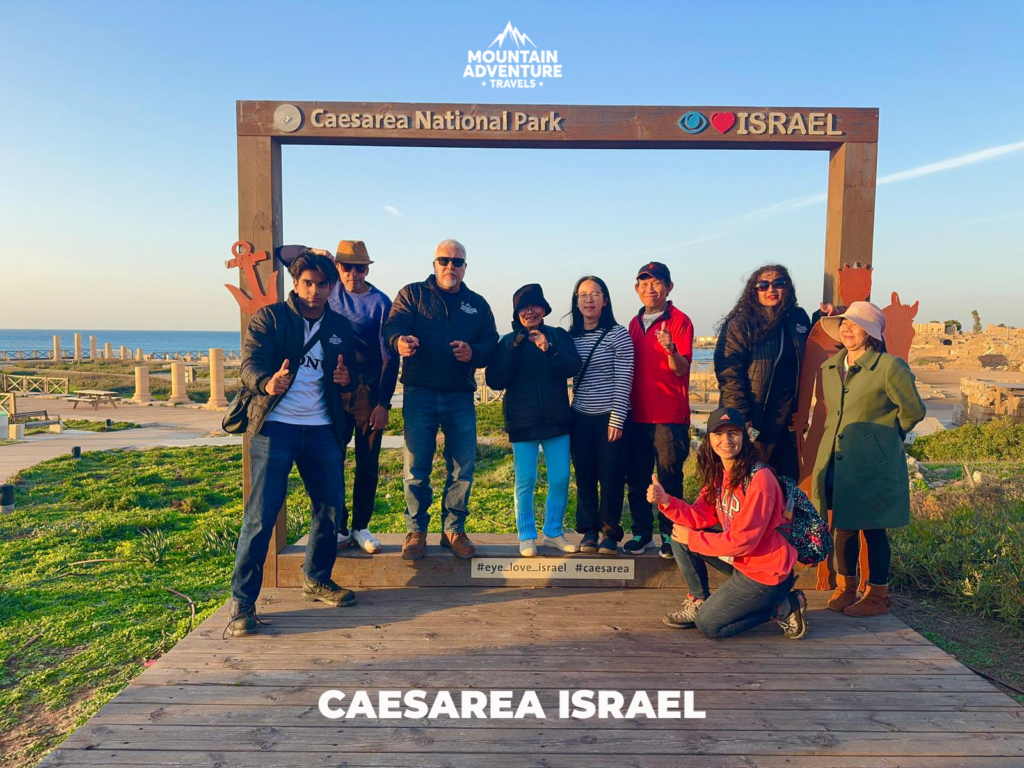
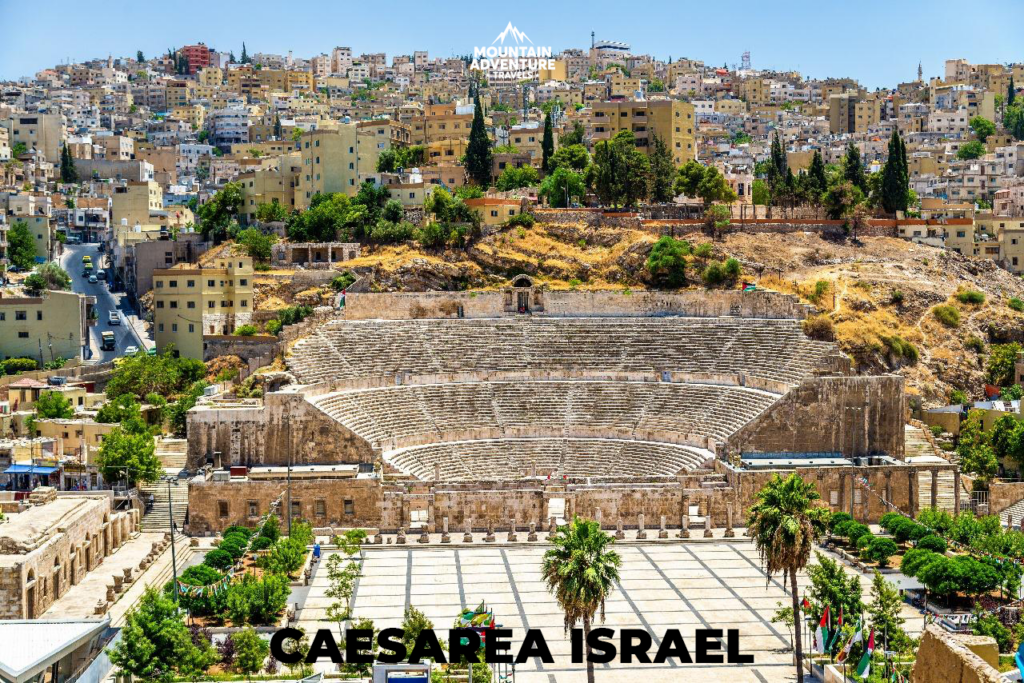
Caesarea Maritima
- Built by Herod the Great as a tribute to Caesar Augustus.
- Site of Paul’s imprisonment and appeal to Caesar (Acts 25–26).
- Holds the inscription naming Pontius Pilate, affirming his Roman governorship.
- Remains showcase Roman aqueducts, amphitheatre, and harbour engineering.
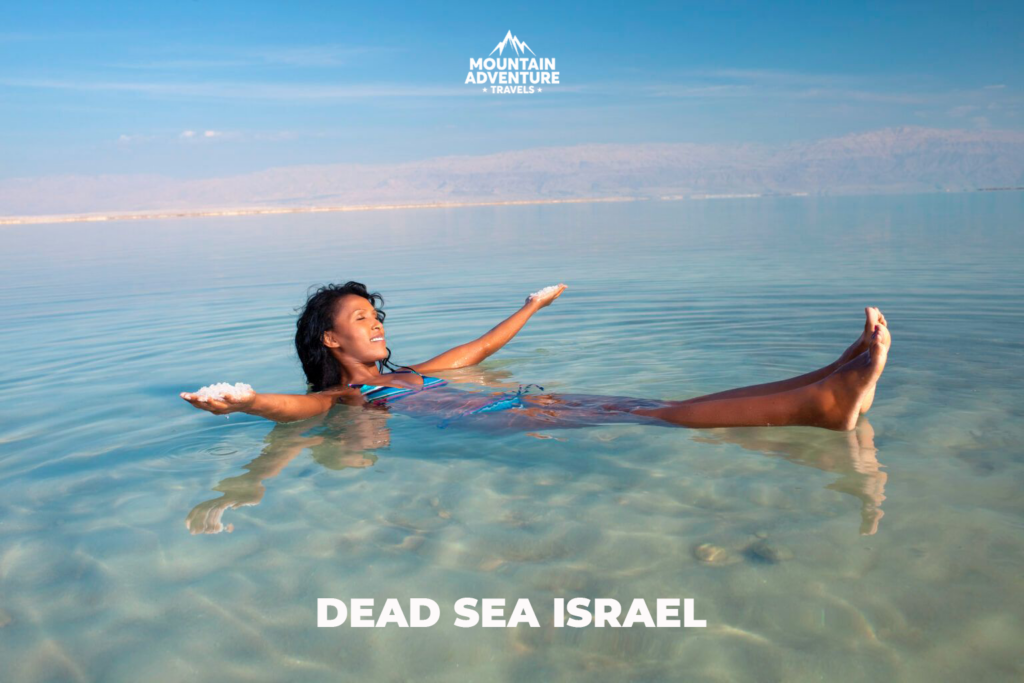
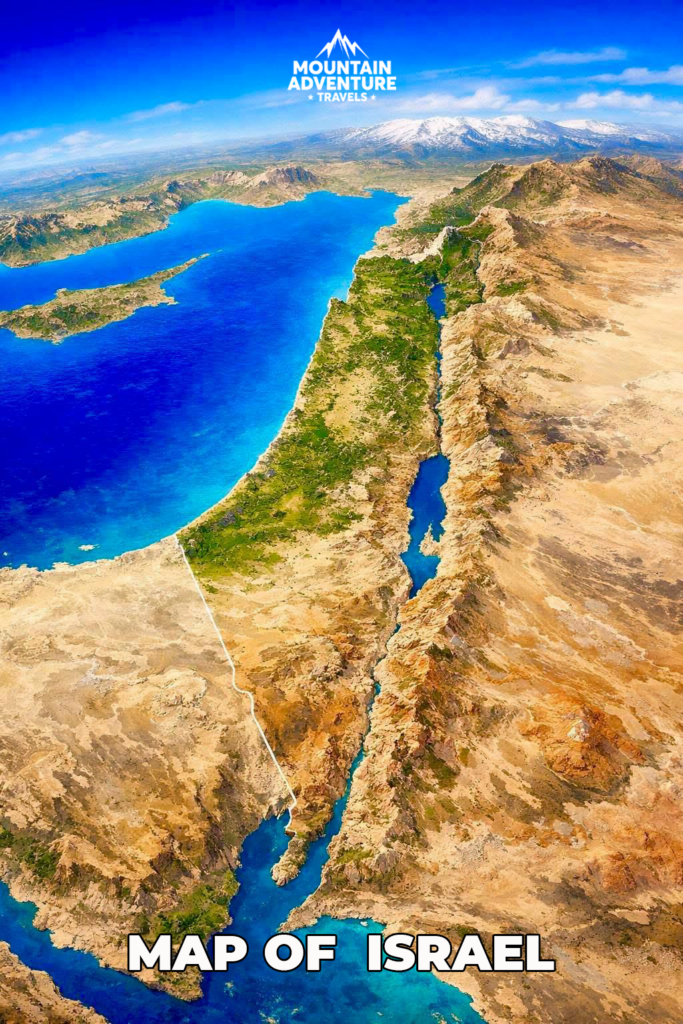
Dead Sea
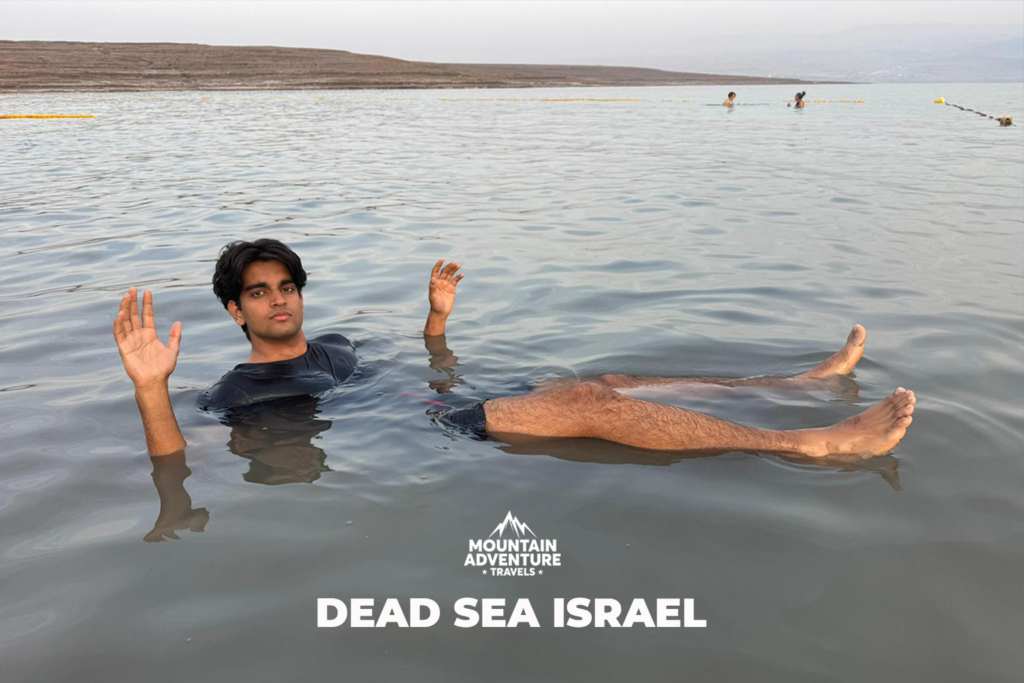
- Lowest point on Earth, 430 m below sea level.
- Waters rich in minerals prized since biblical and Egyptian times.
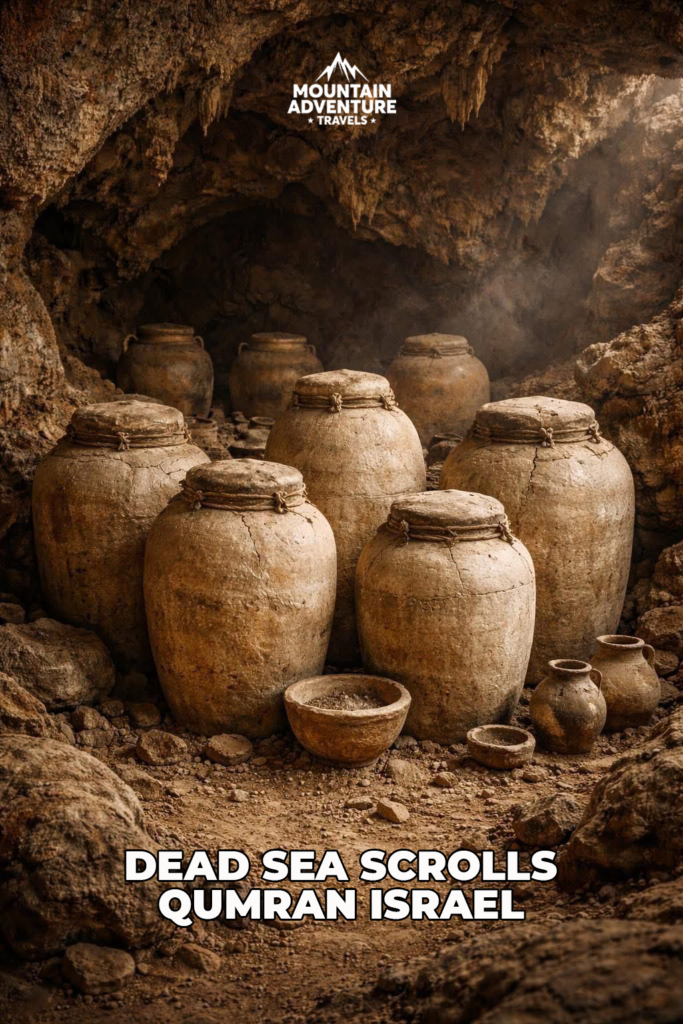
- Nearby Qumran caves yielded the Dead Sea Scrolls, ancient biblical manuscripts.
- Linked with the biblical cities of Sodom and Gomorrah and the story of Lot’s wife.
Galilee (Region)
- The region of Jesus’ early ministry, filled with biblical villages and miracles.
- Encircles the Sea of Galilee, also known as Lake Tiberias or Kinneret.
- Landscape includes Mount of Beatitudes, Capernaum, and Tabaha.
- Renowned for its fertility, fishing villages, and gentle hills central to the Gospels.
Garden Tomb
- Alternative site proposed for Jesus’ burial and resurrection.
- Includes a rock-cut tomb and peaceful gardens suitable for meditation.
- Possibly dates to the Iron Age, later reused in the first century.
- Symbol of hope, resurrection, and renewal.
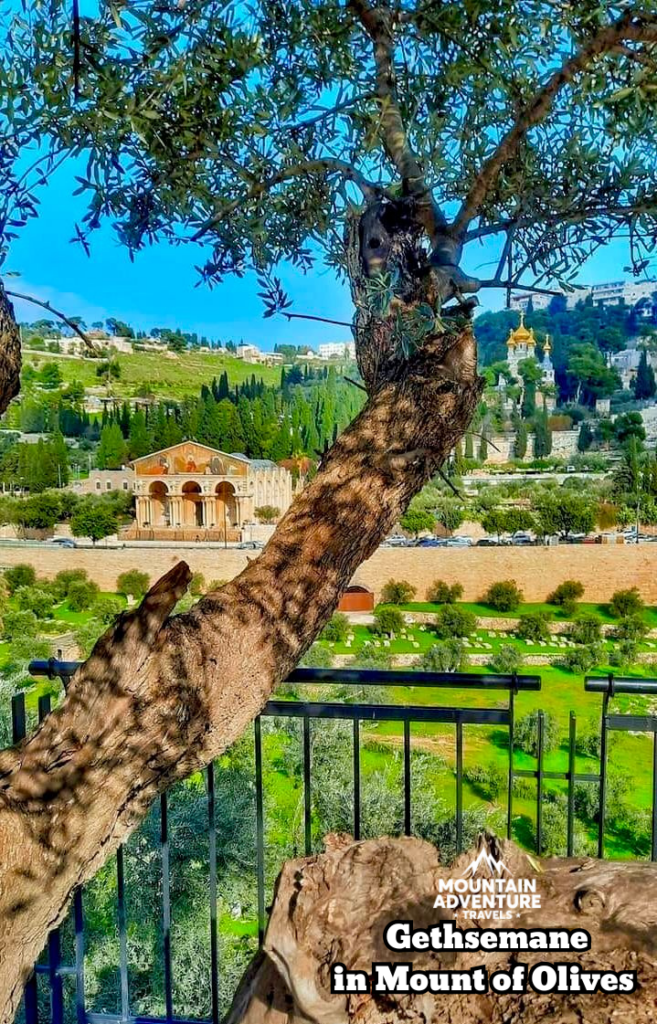
Gethsemane
- The garden at the foot of the Mount of Olives where Jesus prayed before His arrest.
- Features ancient olive trees, possibly from the time of Jesus.
- The Church of All Nations commemorates His agony.
- Symbolic of faith, humility, and surrender to divine will.
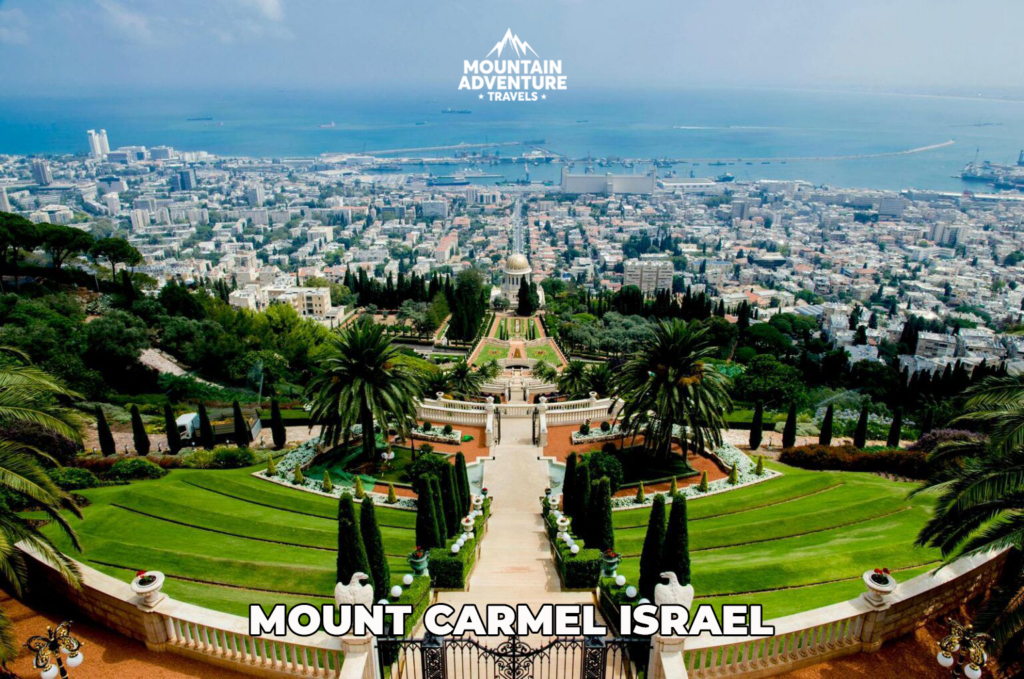
Haifa
- Coastal city nestled on Mount Carmel’s slopes, central to biblical and modern heritage.
- Near the site of Elijah’s contest with the prophets of Baal (1 Kings 18).
- Archaeological remnants include Crusader fortifications and Byzantine ruins.
- Home to the Bahá’í Gardens, a UNESCO World Heritage spiritual landmark.
Hebron (Tomb of the Patriarchs)
- Ancient patriarchal burial site of Abraham, Isaac, Jacob, Sarah, Rebecca, and Leah.
- Structure built under Herod the Great, similar in design to Jerusalem’s Temple Mount walls.
- Revered by Judaism, Christianity, and Islam as a sacred shrine.
- Represents 3,000 years of spiritual legacy and devotion.
 Israel Museum
- Houses the Shrine of the Book, displaying the Dead Sea Scrolls.
- Includes a model of ancient Jerusalem during the Second Temple period.
- Exhibits span from prehistoric artifacts to modern art, uniting Israel’s history.
- Bridges religion, archaeology, and cultural evolution.
Jericho
- Recognized as one of the oldest inhabited cities (10,000 BCE).
- Site of Joshua’s conquest and the miraculous collapse of its walls (Joshua 6).
- Excavations at Tell es-Sultan reveal fortified Bronze Age settlements.
- The Mount of Temptation recalls Jesus’ 40 days of fasting.
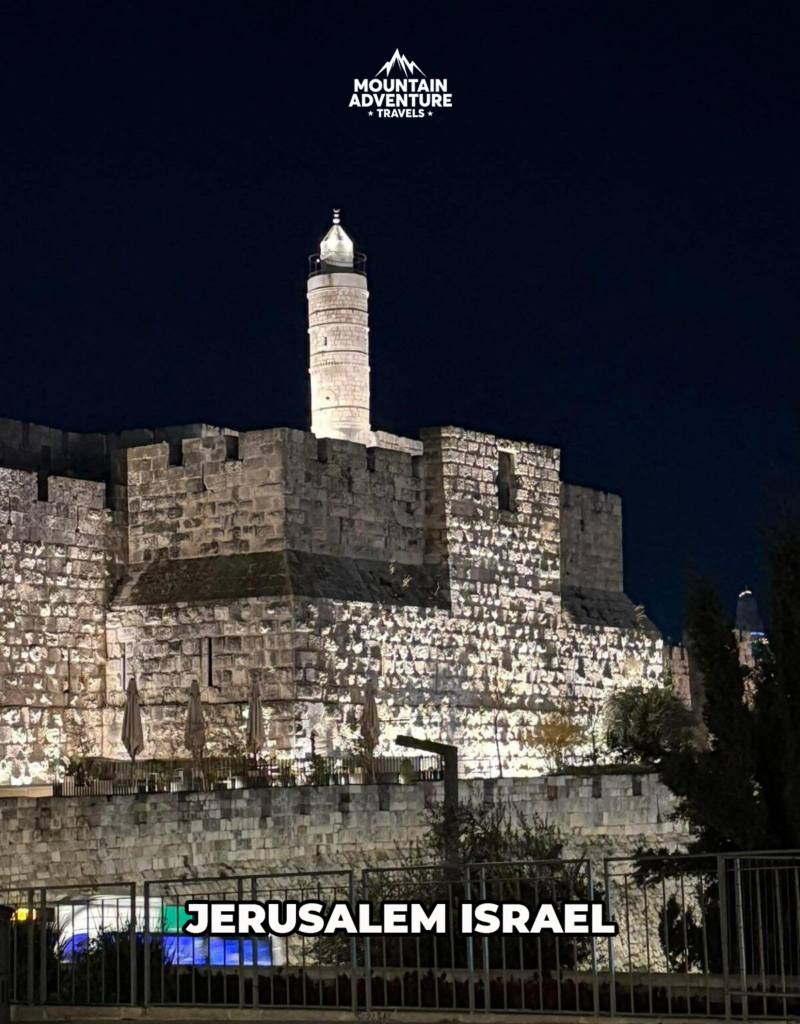
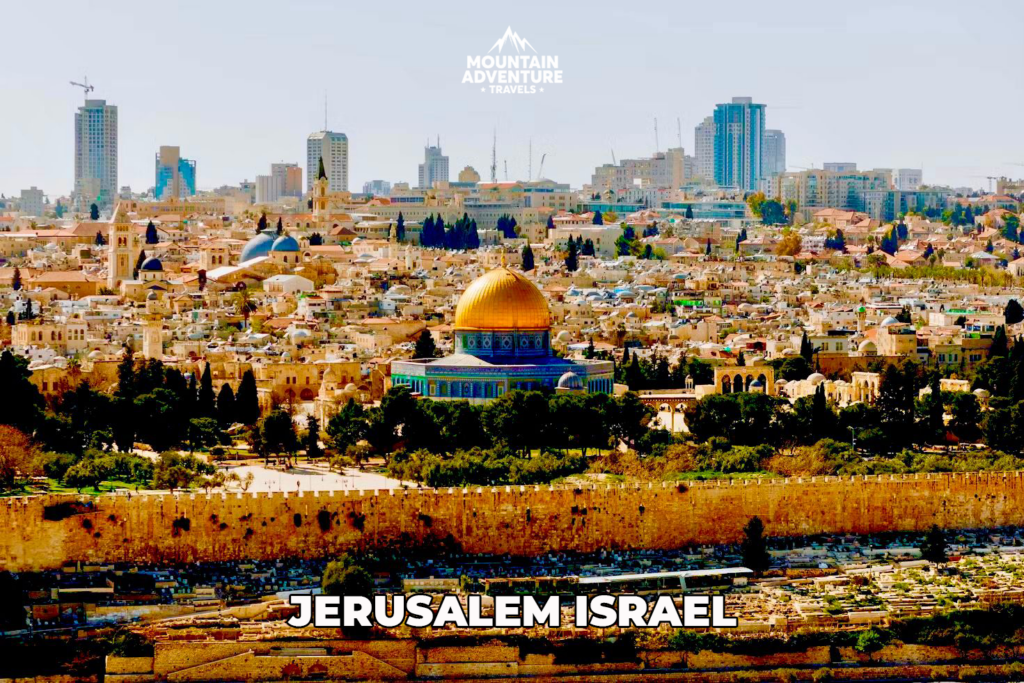
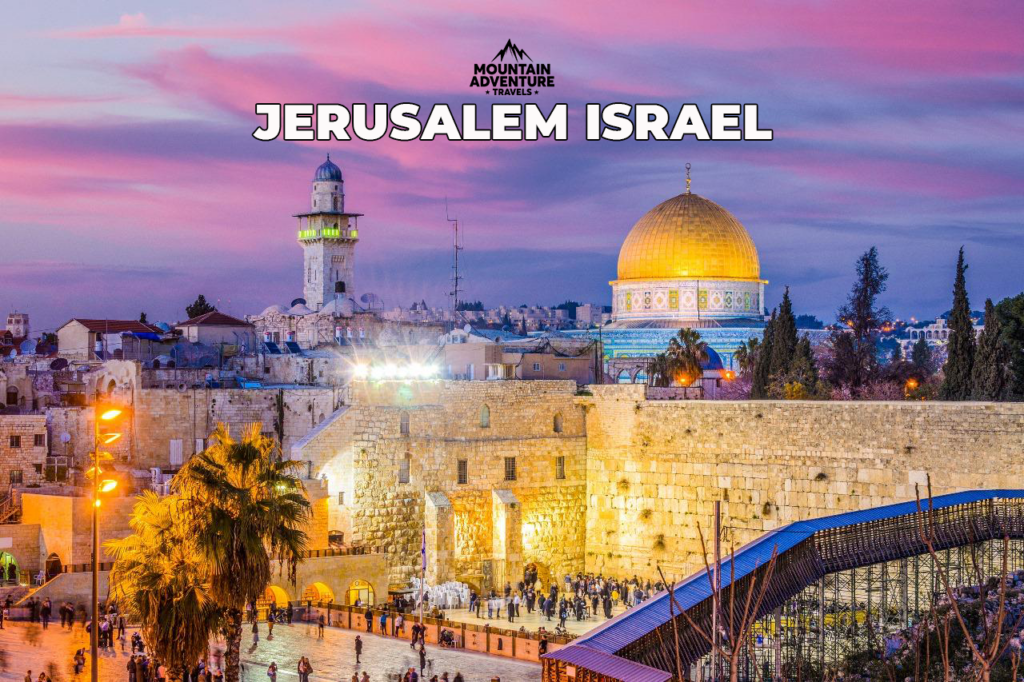
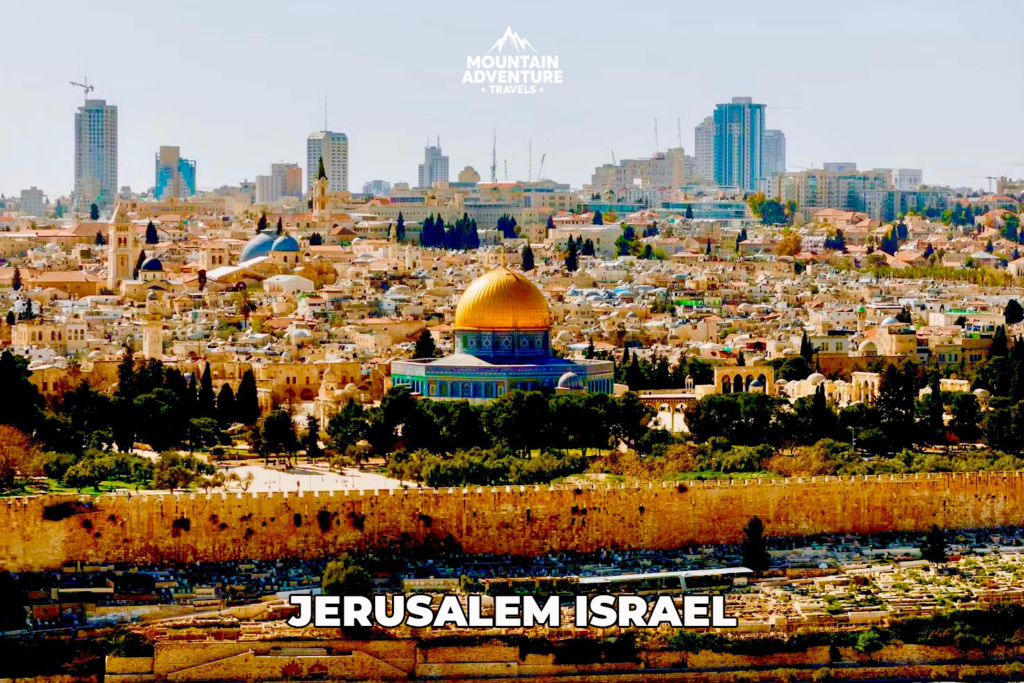
Jerusalem City
- A holy city to Judaism, Christianity, and Islam for over 3,000 years.
- Includes the Temple Mount, Western Wall, Dome of the Rock, and Holy Sepulchre.
- Site of Jesus’ crucifixion, burial, and resurrection.
- A nexus of biblical prophecy, pilgrimage, and archaeological wonder.
Jordan River (Yardenit)
- The traditional baptism site of Jesus by John the Baptist.
- The site of Israel’s entry into the Promised Land led by Joshua.
- Symbol of spiritual cleansing and renewal.
- Source flows from Mount Hermon into the Dead Sea.
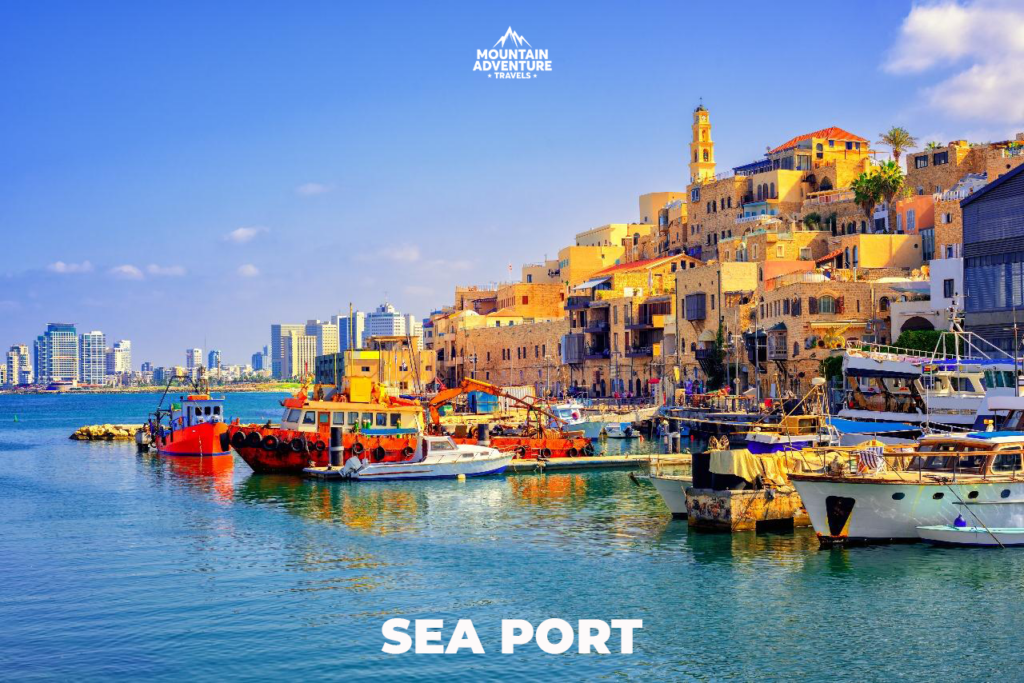
Joppa (Jaffa)
- One of the world’s oldest ports, active by 1800 BCE.
- Departure point of Jonah’s voyage to Tarshish (Jonah 1:3).
- Peter’s vision at Simon the Tanner’s house opened the Gospel to the Gentiles.
- Reveals millennia of Canaanite, Roman, and Ottoman layers.
Madaba
- Known as the “City of Mosaics”, rich in Byzantine-era discoveries.
- The Madaba Map (6th century) depicts the oldest known mosaic of the Holy Land.
- Highlights ancient churches, roads, and regional depictions.
- Offers a unique window into biblical-era cartography.
Mount Carmel
- Setting of Elijah’s challenge and triumph over Baal’s prophets (1 Kings 18).
- The Monastery of Muhraka marks the traditional site.
- Caves reveal prehistoric habitation from early human eras.
- Symbol of faith, fertility, and divine victory.
Mount Hermon
- Israel’s highest summit, forming the country’s northern border.
- Mentioned in Psalms and Deuteronomy as a symbol of blessing and abundance.
- Traditionally identified with the Transfiguration of Jesus (Matthew 17:1–9).
- Feeds the Jordan River with melting snow.
Mount Nebo
- Place where Moses viewed the Promised Land before his death (Deuteronomy 34).
- Offers panoramic views of Jericho, the Jordan Valley, and the Dead Sea.
- Site of the Memorial of Moses, preserved within a Byzantine church.
- Major pilgrimage point for Christians honoring the life of Moses.
Mount of Beatitudes
- Site of the Sermon on the Mount delivered by Jesus (Matthew 5–7).
- The octagonal church represents the eight Beatitudes.
- Surroundings reflect tranquility and devotion, consistent with biblical themes.
- A symbol of teaching, peace, and spiritual humility.
Mount of Olives
- Hill east of Jerusalem where Jesus often taught and prayed.
- Associated with His Ascension into heaven (Acts 1:9–12).
- Contains 3,000-year-old Jewish tombs and early Christian sites.
- Holds significance in prophecy and resurrection hope.
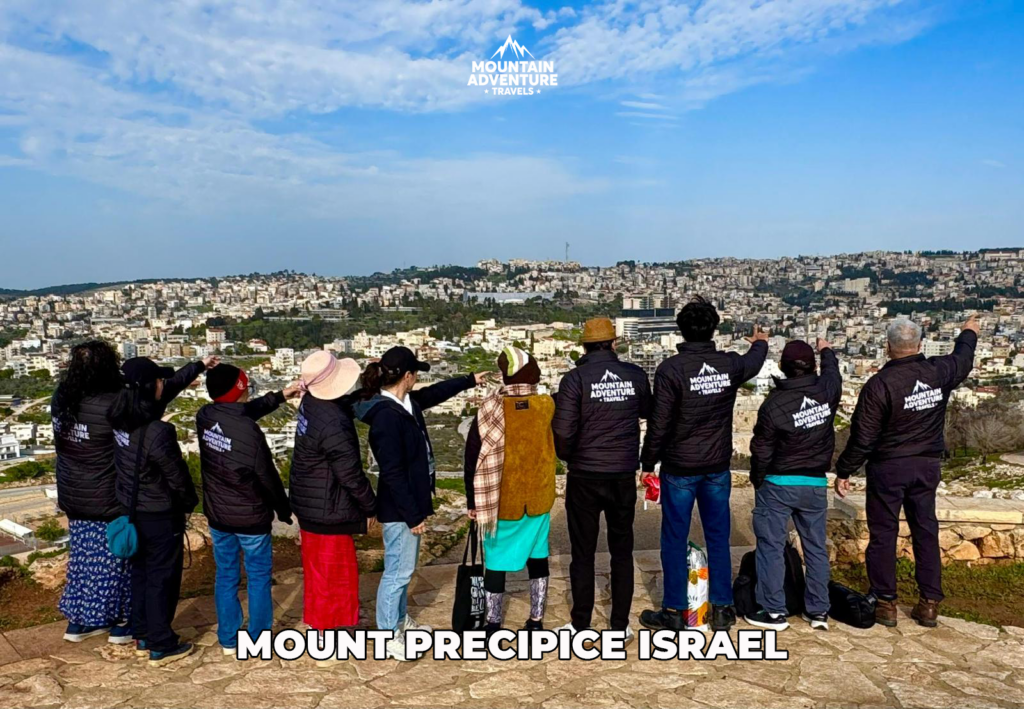
Mount of Precipice
- Cliff near Nazareth where residents attempted to throw Jesus off (Luke 4:29).
- Offers panoramic views of the Jezreel Valley.
- Archaeological finds include Chalcolithic dwellings and early human remains.
- Represents themes of faith, calling, and divine mission.
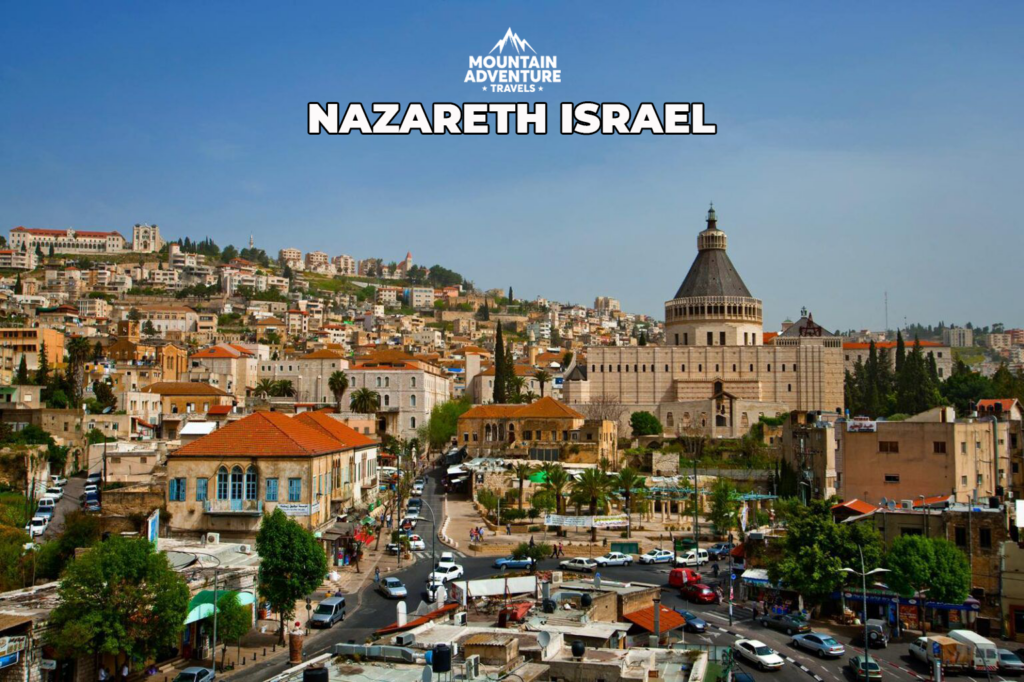
Nazareth
- The hometown of Jesus and the Holy Family, rich with biblical heritage.
- The Basilica of the Annunciation marks Gabriel’s visit to Mary (Luke 1:26–38).
- Archaeological excavations reveal first-century homes and grottoes.
- A center of Christian devotion and pilgrimage throughout history.
Nazareth Village
- A living archaeological site recreating daily life in first-century Galilee.
- Displays terraces, olive presses, and workshops reflecting Jesus’ era.
- Connects teachings and parables to their historical environment.
- Located near the Basilica of the Annunciation.
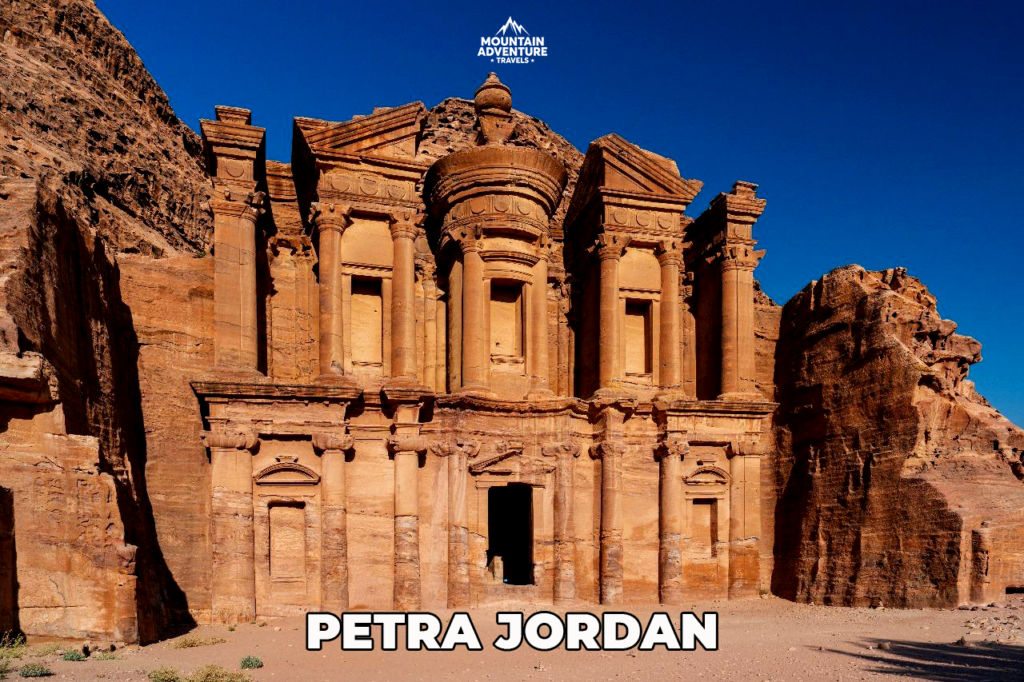
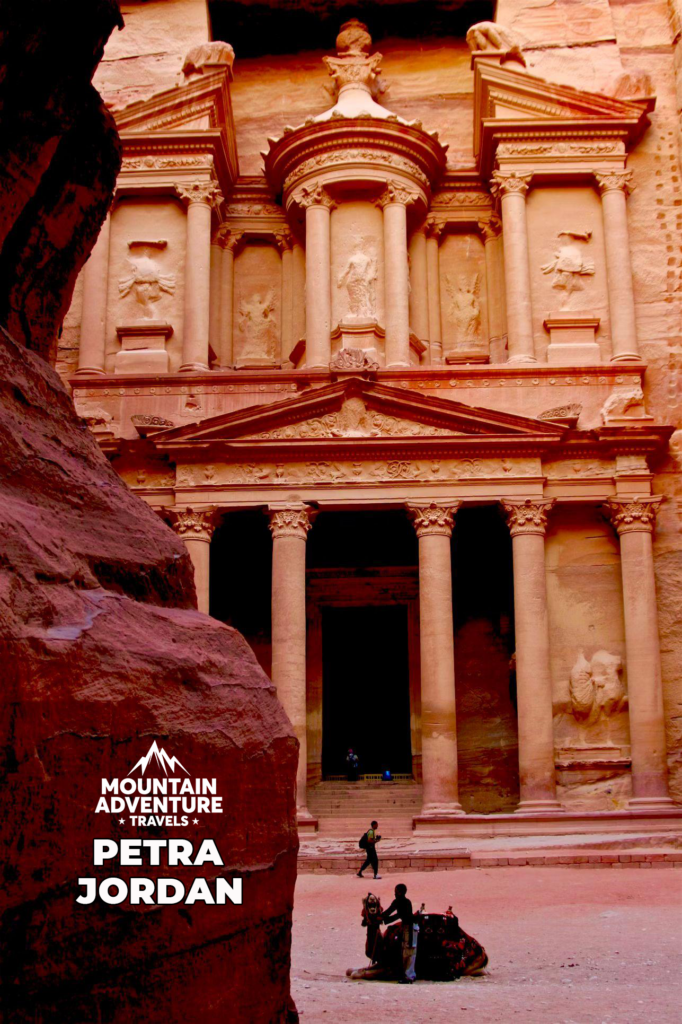
Petra
- The Nabataean capital (4th century BCE), also called the “Rose City.”
- Famous for the Treasury (Al-Khazneh), royal tombs, and temples carved into sandstone cliffs.
- Advanced water systems showcase the engineering genius of ancient Arab traders.
- Rediscovered in 1812 and listed as a UNESCO World Heritage Site.
 Shiloh
- Ancient first religious capital of Israel, housing the Ark of the Covenant.
- Site of Hannah’s prayer and Samuel’s birth (1 Samuel 1–3).
- Excavations revealed cultic artifacts and Iron Age pottery.
- Features interactive exhibits reconstructing ancient worship.
Solomon’s Temple (First Temple)
- Built by King Solomon in 957 BCE on Mount Moriah (2 Chronicles 3:1).
- Contained the Ark of the Covenant in the Holy of Holies.
- Destroyed by Babylon in 586 BCE, marking the exile.
- Its location forms the foundation of the Temple Mount today.
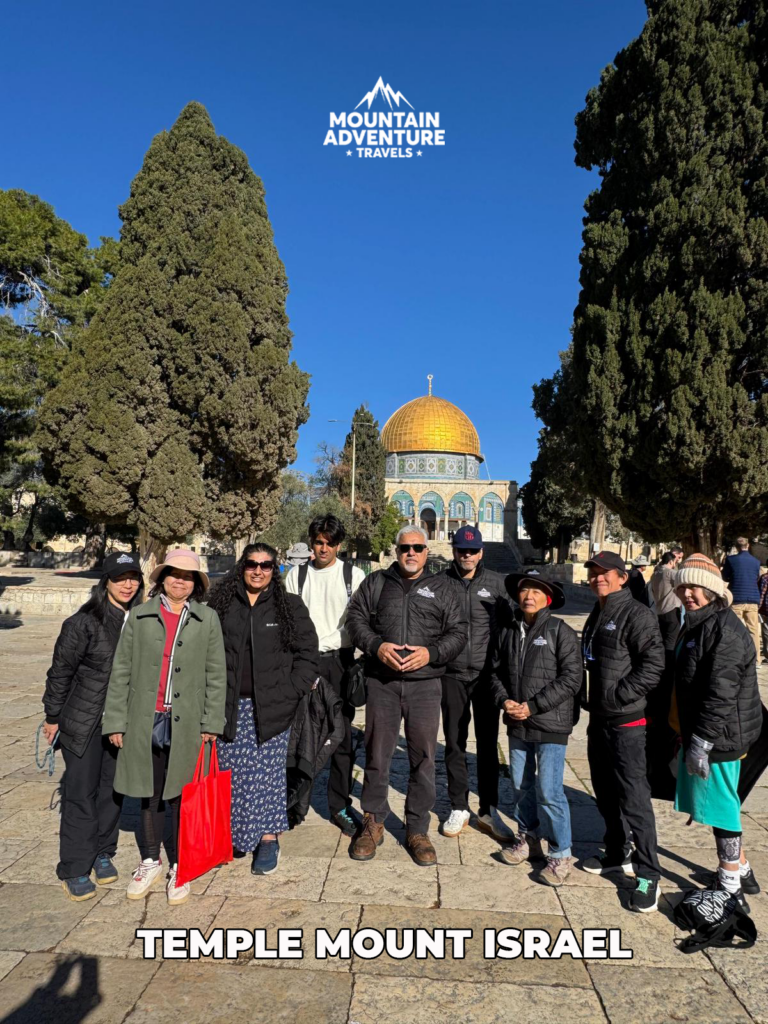
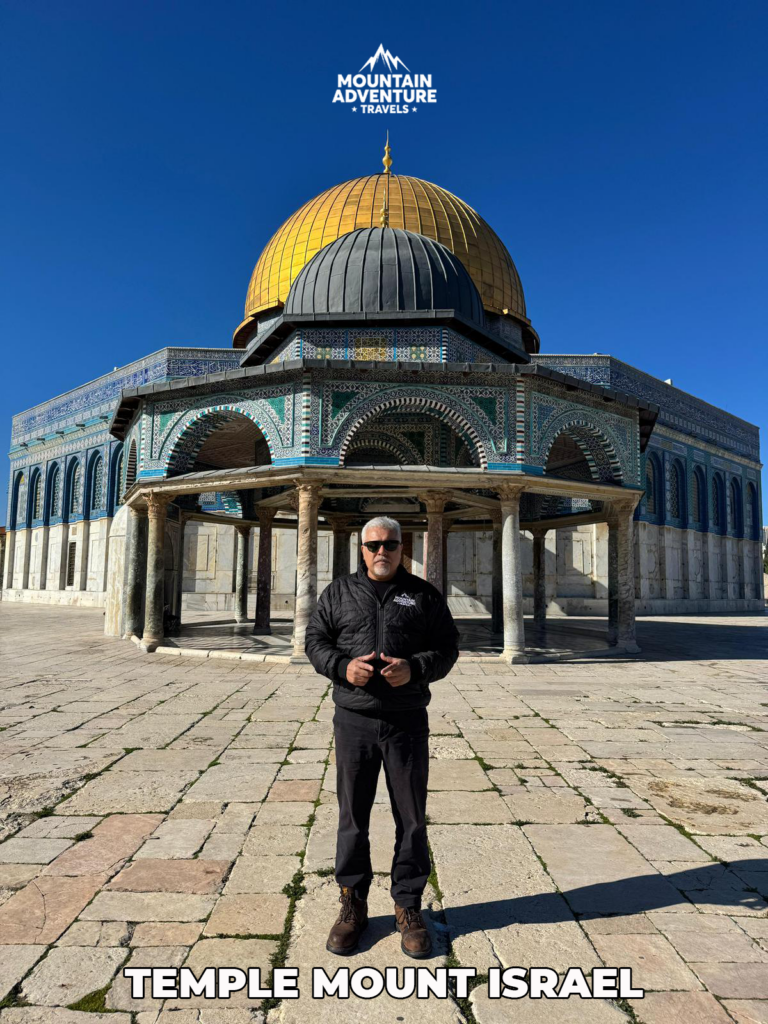
Temple Mount
- The holiest site in Judaism, center of worship for over 3,000 years.
- Once home to Solomon’s and Herod’s Temples.
- Now hosts the Dome of the Rock and Al-Aqsa Mosque.
- A focal point of prayer and pilgrimage for three Abrahamic faiths.
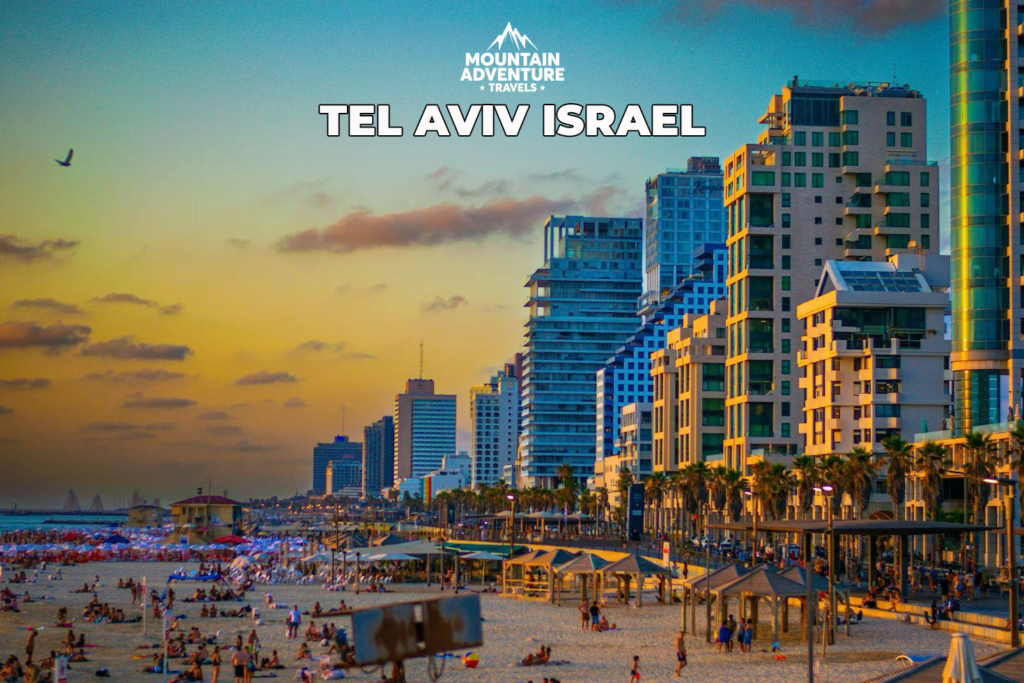
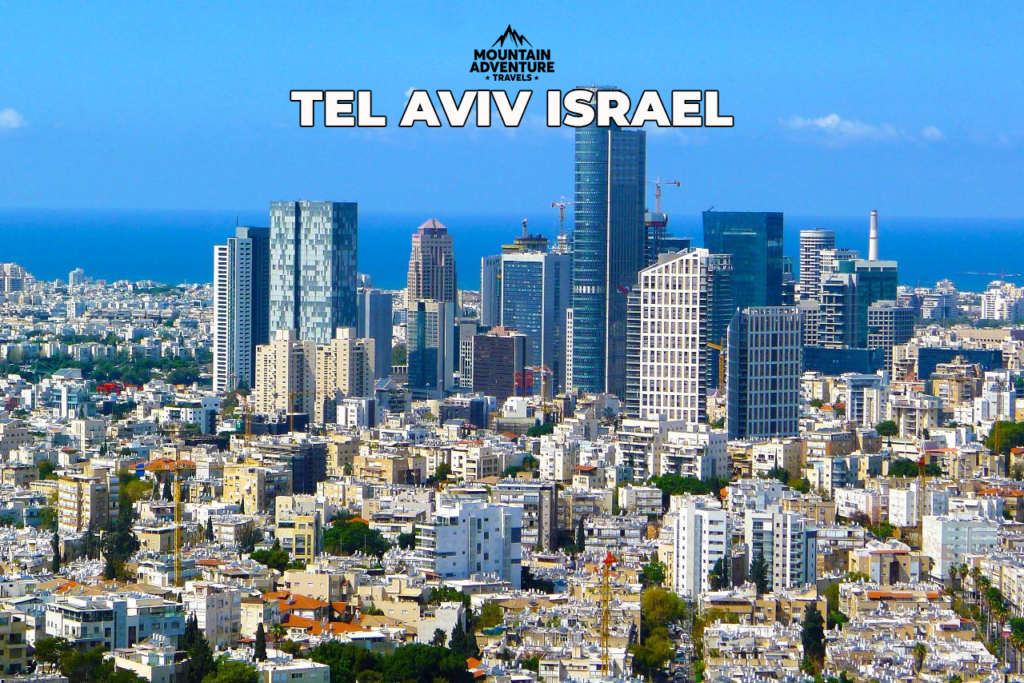
Tel Aviv
- Founded in 1909, symbolizing the rebirth of modern Israel.
- The White City’s Bauhaus architecture has UNESCO recognition.
- The Eretz Israel Museum exhibits artifacts spanning Canaanite to Islamic eras.
- The Sarona Colony blends European heritage with modern Israeli urban life.
Tiberias
- Founded by Herod Antipas on the western shore of the Sea of Galilee.
- Became an important center of Jewish scholarship and the Talmud.
- Associated with Jesus’ miracles, including walking on water.
- Today serves as a gateway to Galilee’s faith and healing sites.
Tomb of the Patriarchs (Hebron)
- Resting place of Abraham, Isaac, Jacob, Sarah, Rebecca, and Leah.
- Constructed with Herodian stonework, similar to the Second Temple.
- Revered as Judaism’s second-holiest site after the Temple Mount.
- Also venerated by Christians and Muslims for its patriarchal heritage.
Via Dolorosa
- The “Way of the Cross” followed by Jesus to Golgotha.
- Commemorated by 14 Stations of the Cross.
- Traces the route through Jerusalem’s Old City.
- An enduring symbol of faith, sacrifice, and redemption.
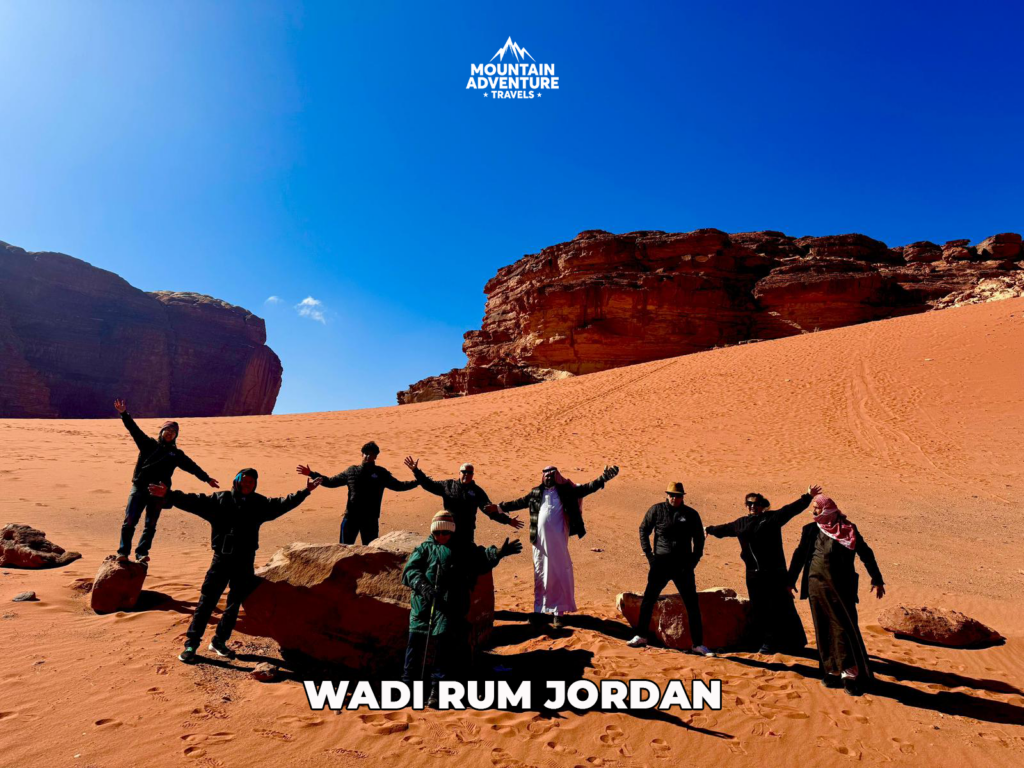
Wadi Rum
- Known as the “Valley of the Moon”, a desert of red sandstone and granite.
- Features Nabataean carvings and ancient petroglyphs.
- Highlighted in Lawrence of Arabia’s writings and cinematic history.
- A UNESCO World Heritage Site combining culture and nature.
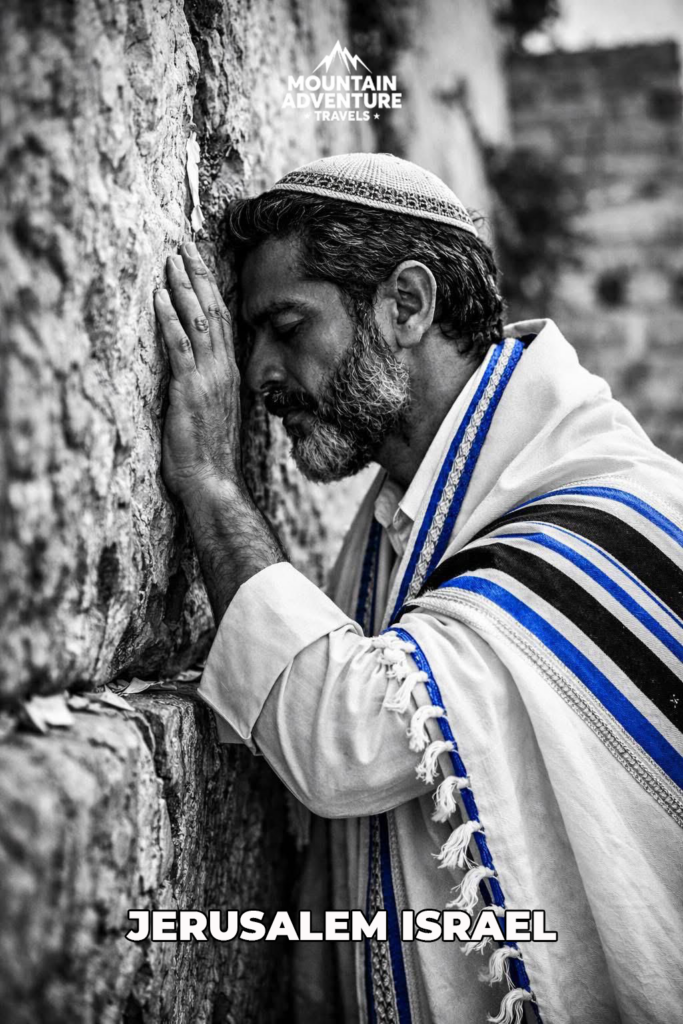
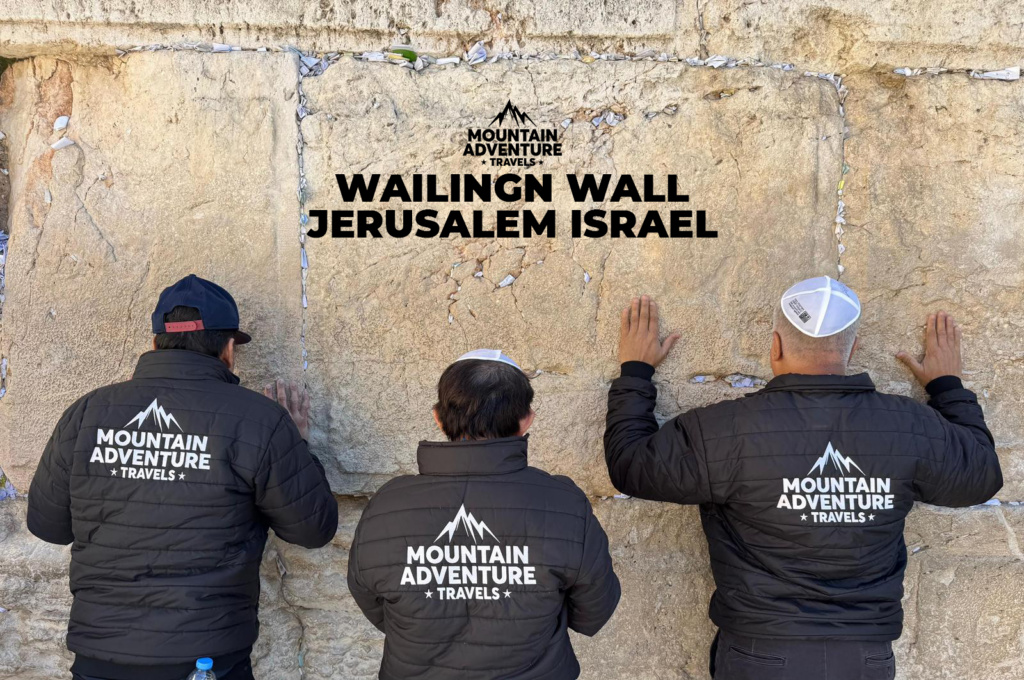
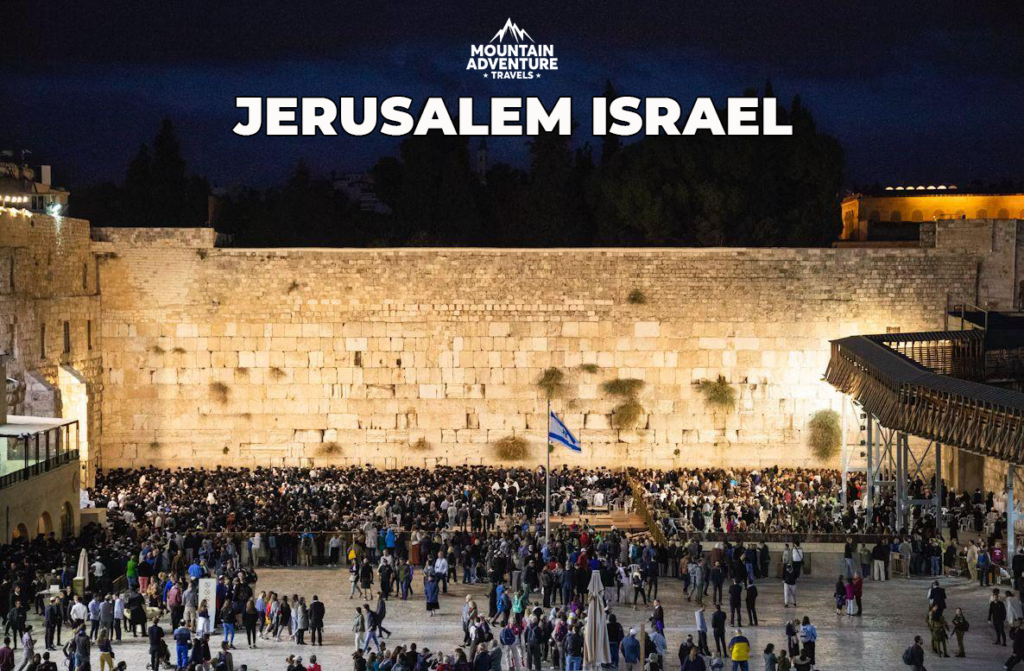
Western Wall
- Surviving portion of the Second Temple complex, destroyed by Rome in 70 CE.
- Judaism’s most sacred accessible prayer site.
- Composed of massive Herodian limestone blocks.
- Beneath lie tunnels and archaeological relics of biblical Jerusalem.
TERMS AND CONDITIONS / Cancellation:
An initial deposit of $200 per person is required to secure the reservation within 20 days of confirmed booking. The remaining 25% will be due 150 days prior and up to 50% will be due 90 days prior to arrival, and the remaining balance will be due 30 days prior to arrival.
The initial deposit of $200 is non-refundable.
If the trip is canceled up to 45 days before departure, deposits made up to that date will be refunded.
If the trip is canceled between 45 and 30 days before departure, 50% of the deposit will be refunded.
If the trip is cancelled 30 days or less before departure, there will be no refund.
In the event of cancellation due to force majeure, such as a declaration of a state of war by the Israeli Ministry of Tourism, the initial deposit is non-refundable, and the total refund will be based on the amount paid by the hotel.
Customised Tours
For customized tours catering to solo travelers, couples, families, friends, school groups, interest groups, or corporate groups with your preferred travel duration and date of travel, please email us for a personalized quotation.
If you are joining us from any part of the world, this Israel-Jordan tour will begin in Tel Aviv, Israel. Feel free to contact us via email or WhatsApp +65 90094494 for details on available dates and pricing information. Reserve Your Exclusive Group Tour Now.
Looking for a Tour Guide/ Driver
Looking for an experienced and dedicated tour guide or driver for tours in Israel Jordan? Mountain Adventure Travels provides reliable, professional tour guides and drivers for both walking tours and scenic road journeys across Israel and Jordan breathtaking landscapes. Their Singapore Israel team is known for delivering safe, insightful, and engaging experiences tailored to solo travelers and groups, ensuring every adventure is unforgettable. The Singapore based company has also built a strong reputation for repeat tour guides in Israel Jordan, consistently praised for expertise and thorough care on each trip. With every Israel Jordan, travelers benefit from exceptional local knowledge and seamless organization.
DISCLAIMER & ITINERARY CHANGE NOTICE
- At Mountain Adventure Travels, your safety is always our number one priority. We design each journey with care, but when traveling through mountain and remote regions (such as Himalayas, and beyond), nature and local conditions can sometimes take us by surprise.
- Events like heavy rain, snow, floods, landslides, glacial lake outburst floods (GLOFs), damaged roads, protests, wars or even flight cancellations may require last‑minute adjustments. In such cases, our expert guides will do their best to provide safe and enjoyable alternatives—whether that means rerouting, rescheduling, or modifying activities.
- We kindly ask all guests to remain flexible and understand that these changes are beyond our control. Any additional costs (e.g. hotels, transport, or flight rebooking) are the traveler’s responsibility, and no refunds are possible for missed services. To travel with peace of mind, we strongly recommend comprehensive insurance that covers delays, cancellations, and natural events.
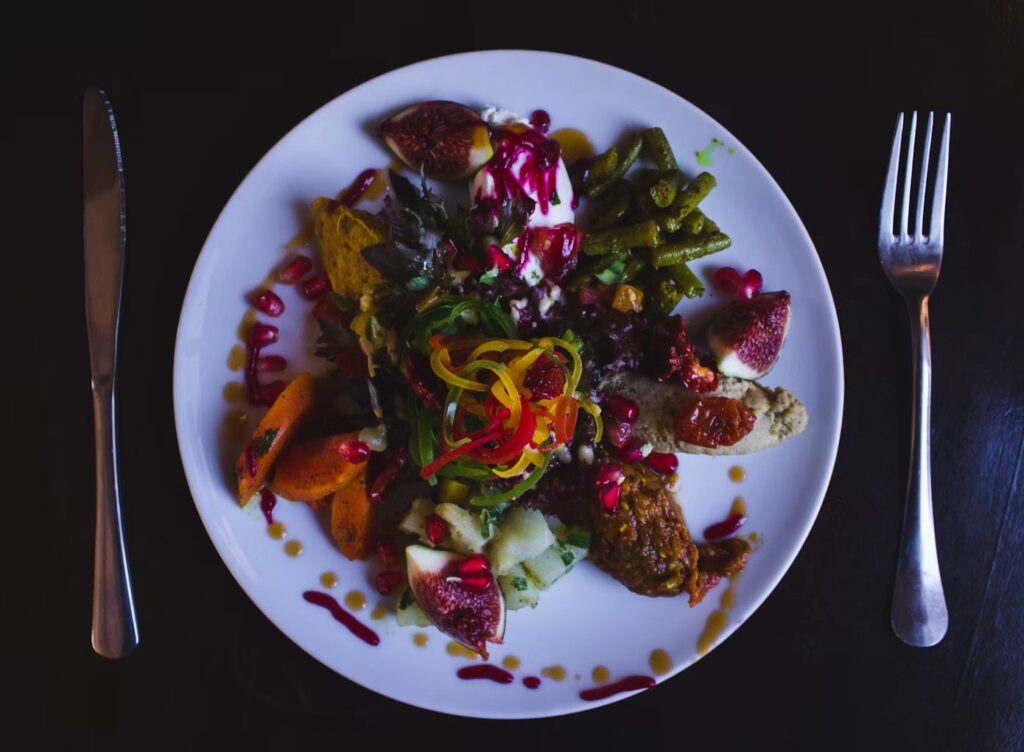
Must-Try Israeli Cuisines
- Falafel: Deep-fried balls made from ground chickpeas and herbs, often served in pita bread with tahini and salad. A quintessential Israeli street food.
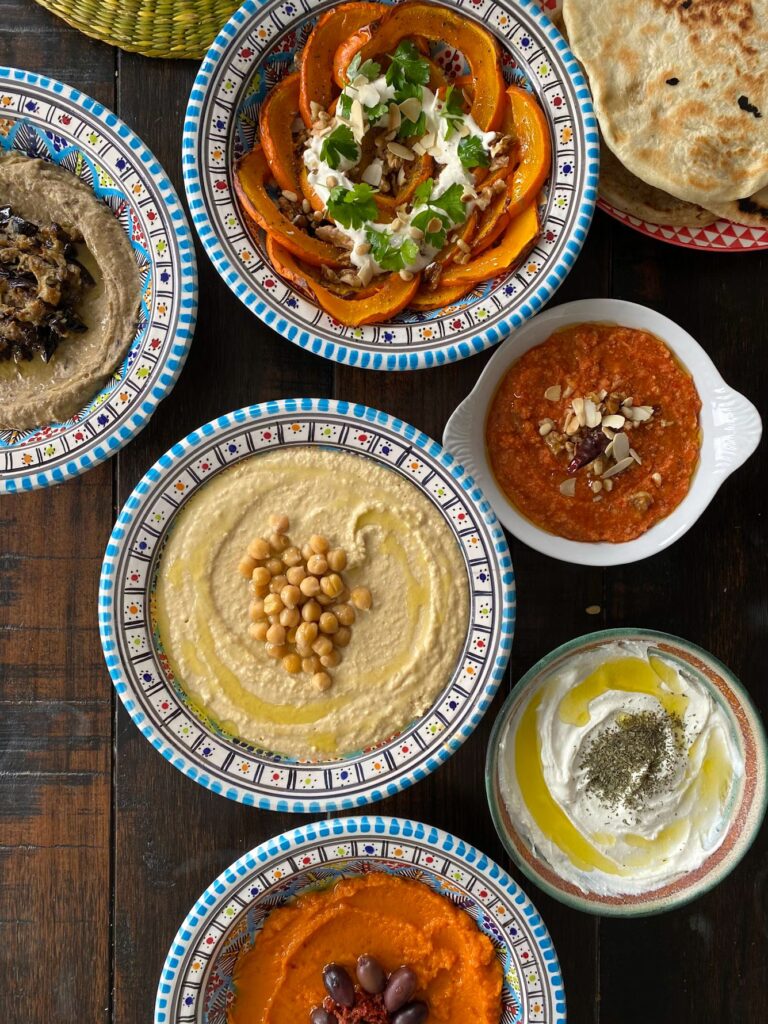
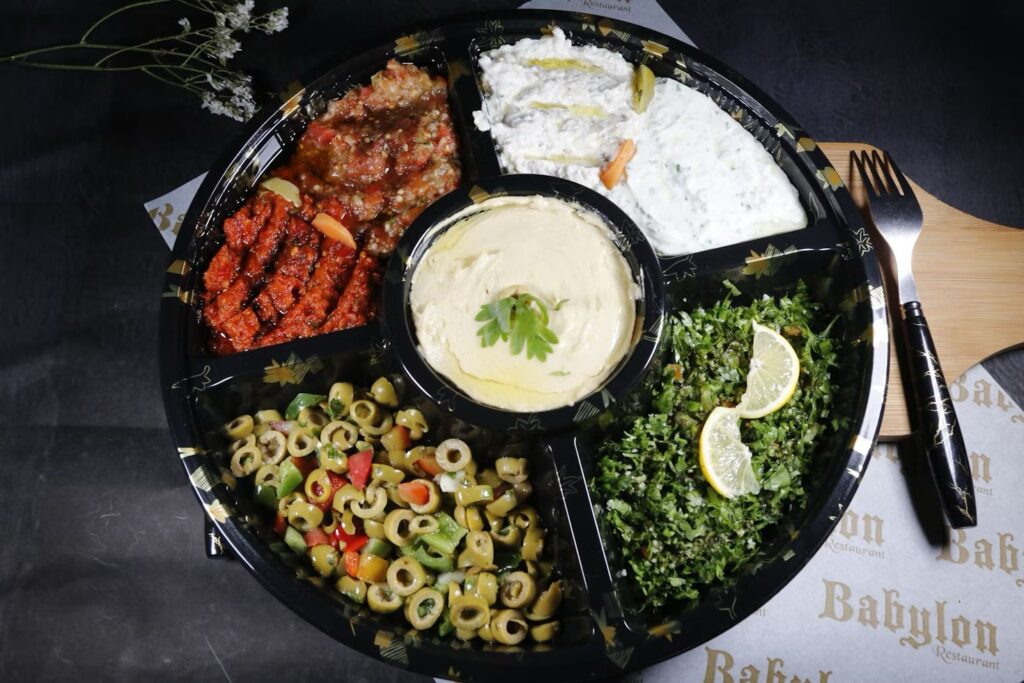
- Hummus: Creamy mashed chickpea dip blended with tahini, garlic, lemon, and olive oil, served as a spread or a dip with fresh pita bread.
- Shakshuka: A flavorful dish of eggs poached in a spicy tomato and pepper sauce, typically eaten for breakfast or brunch.
- Sabich: A pita sandwich filled with fried eggplant, hard-boiled eggs, tahini, Israeli salad, and amba sauce, reflecting Iraqi Jewish heritage.
- Bourekas: Savory pastries filled with cheese, potatoes, or spinach, baked or fried for a delicious snack or breakfast item.
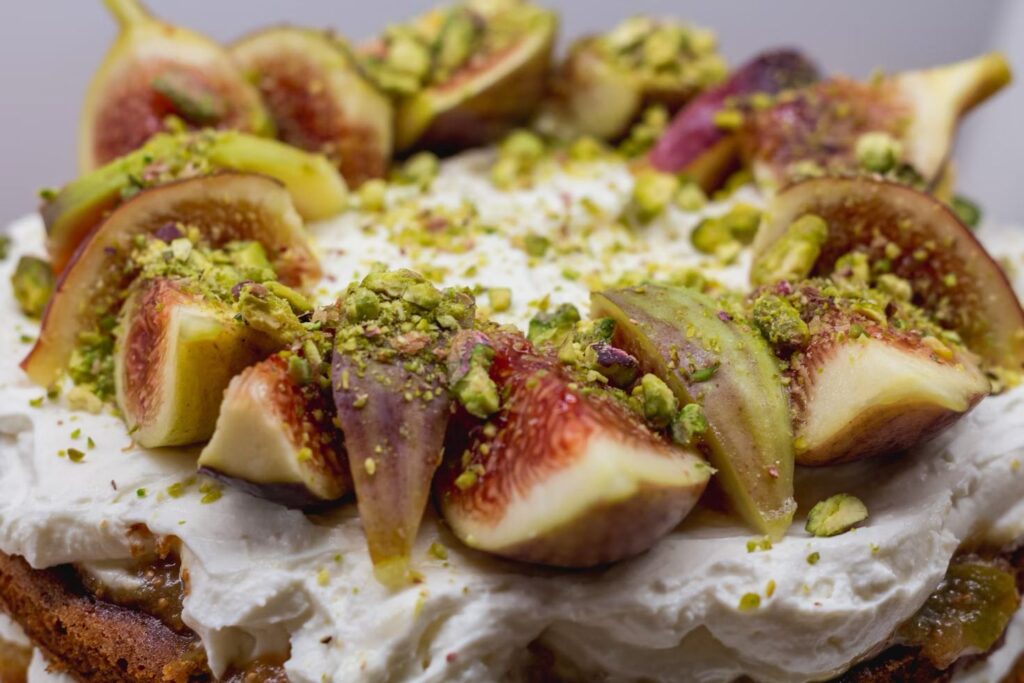
Must-Try Jordanian Cuisines
- Mansaf: Jordan’s national dish of lamb cooked in fermented dried yogurt sauce, served with rice and almonds. A festive and communal eating experience.
- Maqluba: A layered rice dish with fried vegetables and meat, flipped upside down before serving, creating a visually striking and flavorful presentation.
- Falafel: Also popular in Jordan, these chickpea patties are fried and eaten with pita, salads, and tahini sauce.
- Kebabs: Grilled skewers of marinated meat, often lamb or chicken, seasoned with regional spices.
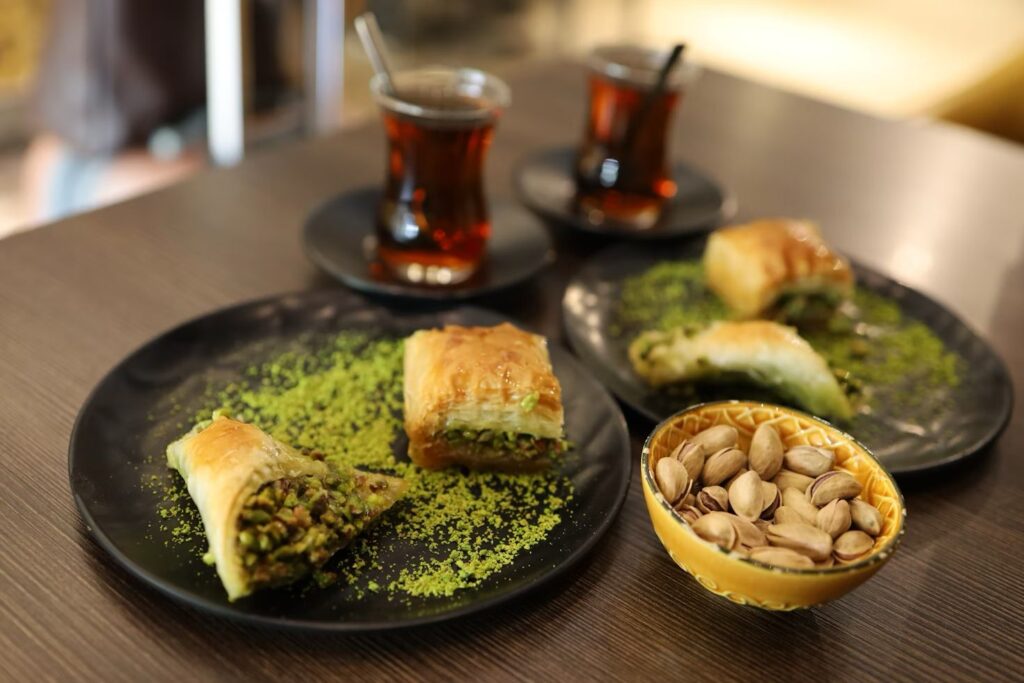
- Kanafeh: A sweet cheese pastry soaked in syrup, widely enjoyed as a dessert across Jordan and the region.


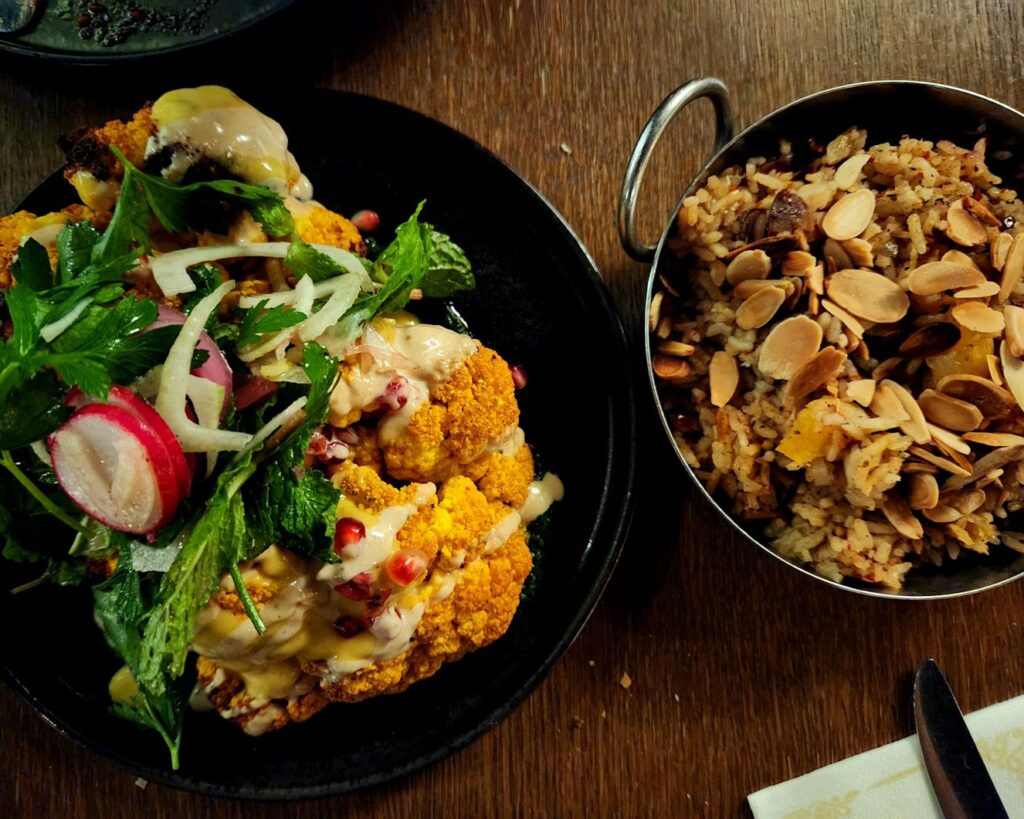
Thank You For Embarking On An Unforgettable Journey to Israel Jordan with Mountain Adventure Travels.
Share Your Adventures And Stories With Your Friends.